
Can Clinical Pilates Help Improve Mobility?
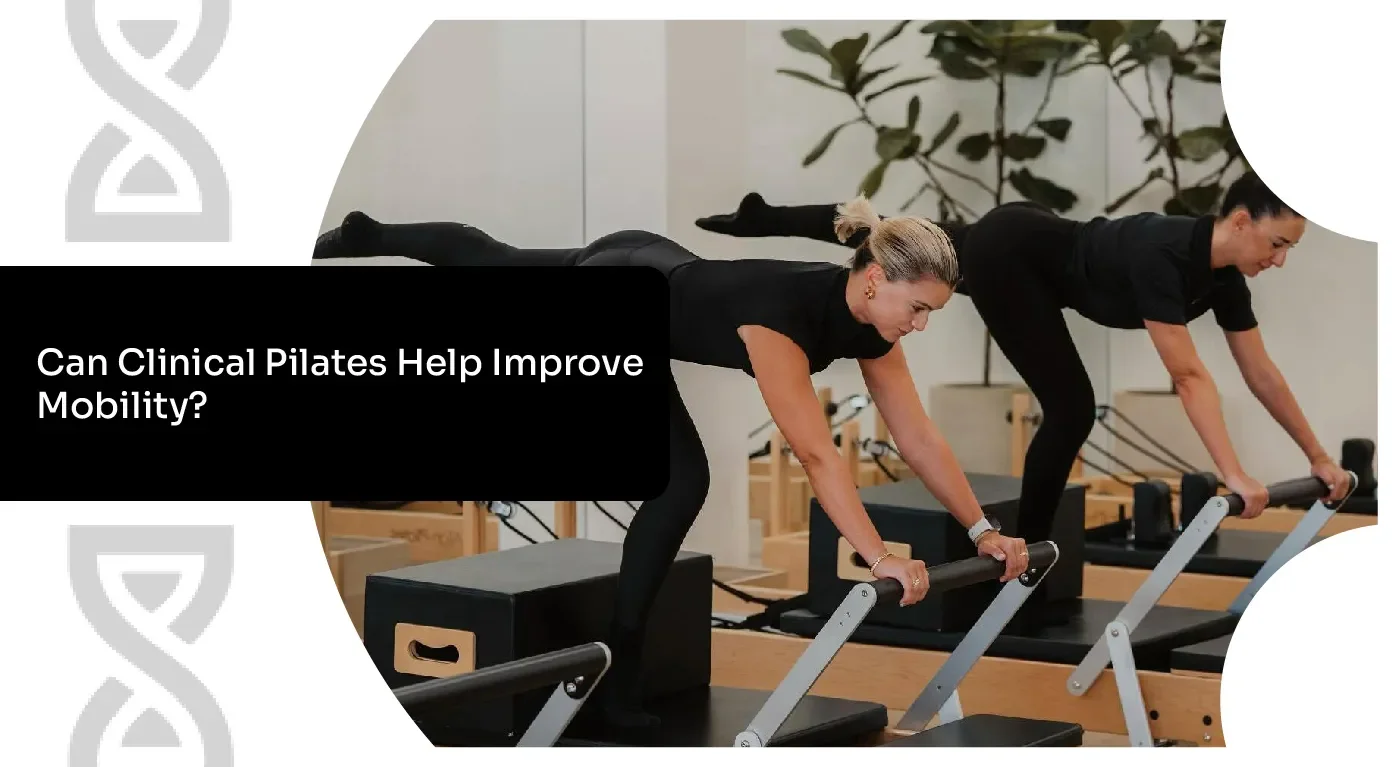
Mobility plays an important role in how comfortably and efficiently the body moves each day. When mobility is limited, simple activities such as walking, bending, reaching, or exercising can become more difficult and uncomfortable.
Many people experience reduced mobility due to poor posture, inactivity, muscle imbalances, injury, or ongoing stiffness. Clinical Pilates offers a structured, low-impact approach that improves movement quality while supporting strength and stability.
At our studio, we offer clinical Pilates sessions on the Northern Beaches designed to help clients move more freely and confidently through personalised guidance and controlled movement.
What Does Mobility Actually Mean?
Mobility refers to the body’s ability to move through a full and controlled range of motion without pain or restriction.
Good mobility depends on several factors, including:
Joint movement
Muscle flexibility
Core stability
Coordination and balance
Proper movement patterns
When one of these areas becomes restricted, the body often compensates in ways that can create discomfort or tension over time.
How Clinical Pilates Supports Mobility
Clinical Pilates focuses on improving the body’s overall movement rather than isolating individual muscles.
Through guided exercises, sessions aim to:
Improve joint movement
Increase flexibility safely
Strengthen stabilising muscles
Correct posture and alignment
Reduce unnecessary tension in the body
This combination helps create more efficient and controlled movement patterns.
Book a session today and start improving the way your body moves.
Improving Mobility Through Controlled Movement
Unlike high-impact exercise programs, clinical Pilates uses controlled and intentional movements that allow the body to build mobility gradually.
This approach is especially helpful for individuals who:
Feel stiff after long periods of sitting
Experience reduced flexibility
Have limited movement after injury
Want to improve overall movement quality
Because exercises are adjusted to the individual, mobility can improve without placing unnecessary stress on joints or muscles.
The Connection Between Mobility and Posture
Poor posture often contributes to restricted movement and muscular tension.
For example:
Tight hips may affect lower back movement
Rounded shoulders can limit upper-body mobility
Weak core support may affect overall stability
Clinical Pilates addresses these patterns by strengthening supportive muscles while improving body awareness and alignment.
Over time, this can help clients move more comfortably during daily activities.
Can Clinical Pilates Help After Injury?
Reduced mobility is common after injury or prolonged of inactivity. Clinical Pilates can support recovery by helping the body regain strength and movement safely.
Many clients choose clinical Pilates for injury recovery because sessions can be adapted according to their condition and progress.
Programs may focus on:
Restoring controlled movement
Improving joint stability
Rebuilding confidence in movement
Reducing compensation patterns
This gradual approach helps support safer long-term recovery.
Testimonials
Why Personalised Sessions Matter
Mobility limitations vary from person to person, which is why personalised guidance is important.
At our studio, we offer private and small group sessions with close supervision to ensure exercises are performed correctly and safely.
This allows us to:
Monitor movement quality
Adjust exercises when needed
Progress mobility gradually
Focus on individual movement goals
A tailored approach often leads to more effective and sustainable improvement.
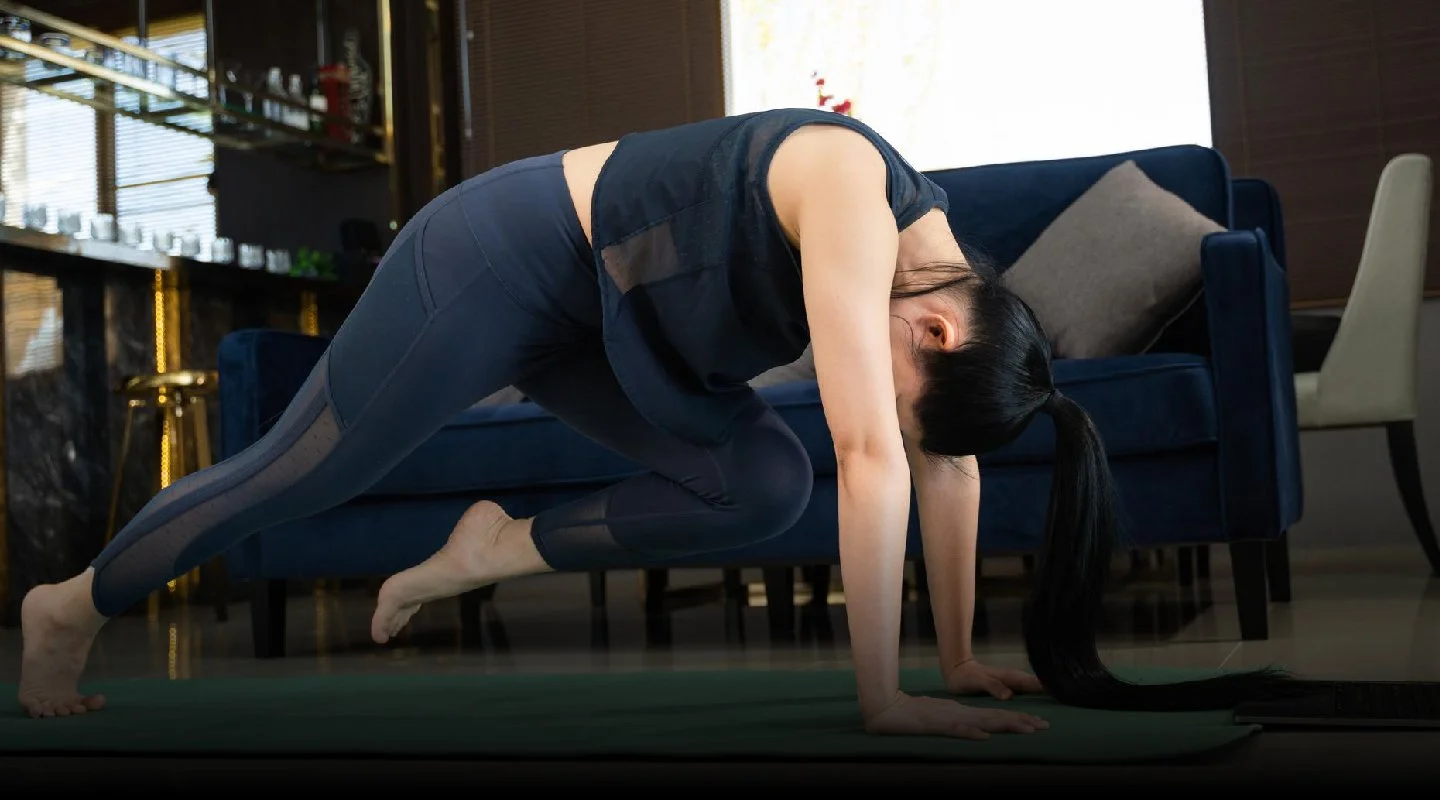
Who Can Benefit From Mobility-Focused Pilates?
Clinical Pilates may benefit individuals who:
Experience stiffness or tightness
Spend long hours sitting
Are you recovering from an injury
Want to improve posture and flexibility
Feel limited during movement or exercise
Because sessions are low-impact and adaptable, they can suit a wide range of ages and fitness levels.
Conclusion
Improving mobility is not about forcing flexibility or pushing through discomfort. It involves creating better movement patterns, improving stability, and helping the body move more efficiently over time.
At Arena Clinical Pilates North Curl Curl, our sessions are designed to support mobility through structured and personalised movement programs.
If you are looking for a clinical Pilates Northern Beaches that focuses on movement quality and long-term physical wellbeing, we are here to help.