
Recovering From an Injury? Here's How Clinical Pilates Supports Safe Rehabilitation
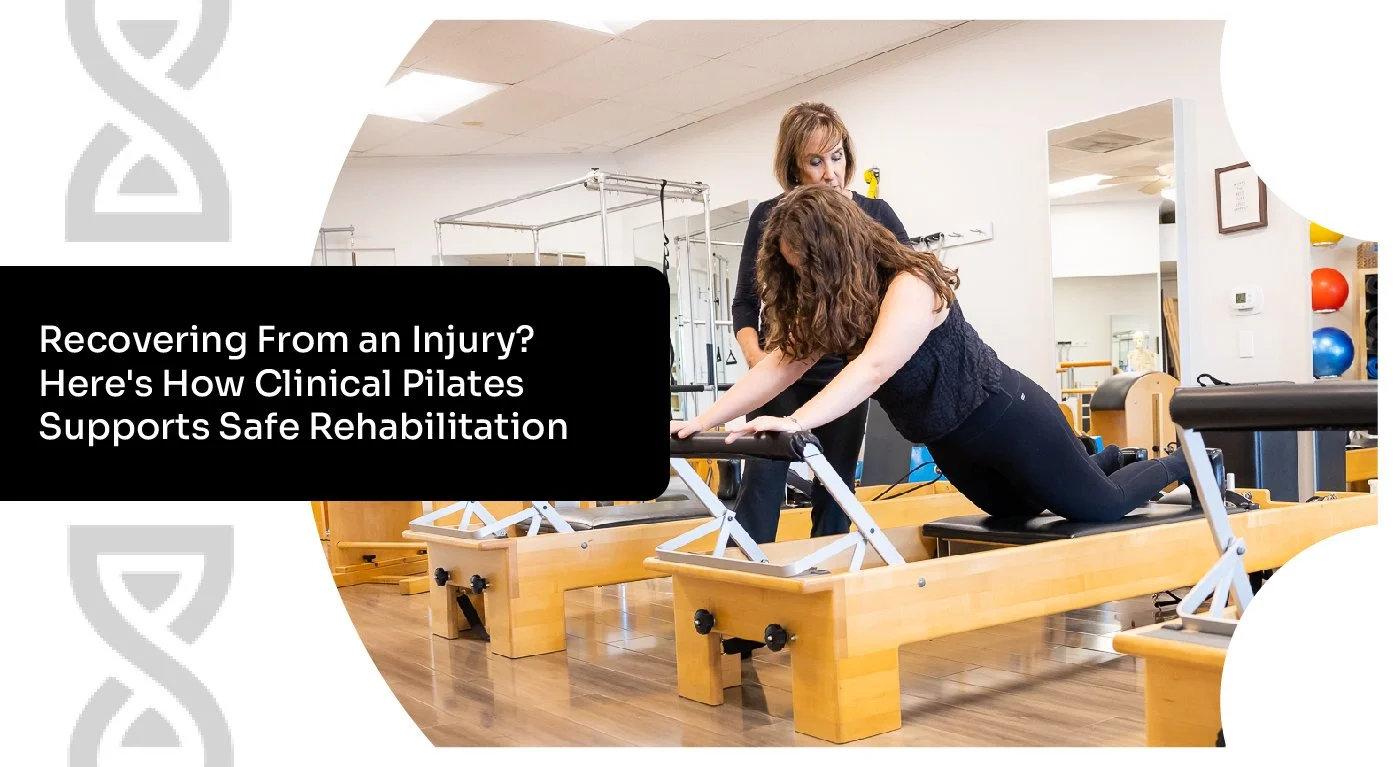
Recovering from an injury can be both physically and mentally challenging. Whether you've experienced a sporting injury, workplace accident, fall, or repetitive strain, returning to your normal routine often takes time, patience, and the right rehabilitation approach.
One of the biggest mistakes people make is either returning to activity too quickly or avoiding movement altogether. Both can slow recovery and increase the likelihood of ongoing problems.
An effective rehabilitation program focuses on restoring movement, improving strength, rebuilding confidence, and helping the body function efficiently again. This is where Clinical Pilates has become an increasingly recognised option for personalised rehabilitation.
Rather than treating every injury the same way, Clinical Pilates focuses on understanding how your body moves and creating an exercise program tailored to your specific stage of recovery.
Why Rehabilitation Is About More Than Healing an Injury
When an injury occurs, the body naturally protects the affected area.
Pain, swelling, muscle guarding, and reduced movement are all normal responses during the early stages of healing.
However, even after tissues begin to recover, people may continue to experience:
Muscle weakness
Reduced flexibility
Poor balance
Loss of confidence
Altered movement patterns
Ongoing stiffness
These changes can affect the way the entire body moves, not just the injured area.
Rehabilitation aims to restore normal movement patterns so the body can function more efficiently during everyday activities.
Common Injuries That May Benefit From Rehabilitation Pilates
Every injury is different, and exercise should always be guided by an appropriate assessment.
Many people explore Rehabilitation Pilates Northern Beaches following conditions such as:
Lower back injuries
Neck pain
Shoulder injuries
Hip pain
Knee injuries
Ankle instability
Sports-related muscle strains
Tendon injuries
Postural dysfunction
Repetitive strain injuries
Clinical Pilates is not intended to replace medical treatment. Instead, it may complement advice from healthcare professionals by supporting movement quality and functional recovery.
Why Returning to Activity Too Soon Can Delay Recovery
It is understandable to want to return to work, sport, or daily life as quickly as possible.
However, progressing too quickly may place additional stress on tissues that are still healing.
Some common signs that the body has not fully recovered include:
Pain during movement
Reduced strength
Limited joint mobility
Difficulty maintaining balance
Fatigue during simple activities
Compensating with other muscles
A structured rehabilitation program helps people progress safely, gradually increasing physical demands as strength and confidence improve.
How Clinical Pilates Supports Injury Recovery
One of the greatest strengths of Clinical Pilates is its individualised approach.
Rather than following a standard exercise class, sessions are designed around the person's injury, current abilities, and recovery goals.
A Clinical Pilates program may focus on improving:
Core stability
Joint mobility
Muscle strength
Balance
Coordination
Postural control
Functional movement
Exercises are progressed carefully to encourage recovery without placing unnecessary stress on healing tissues.
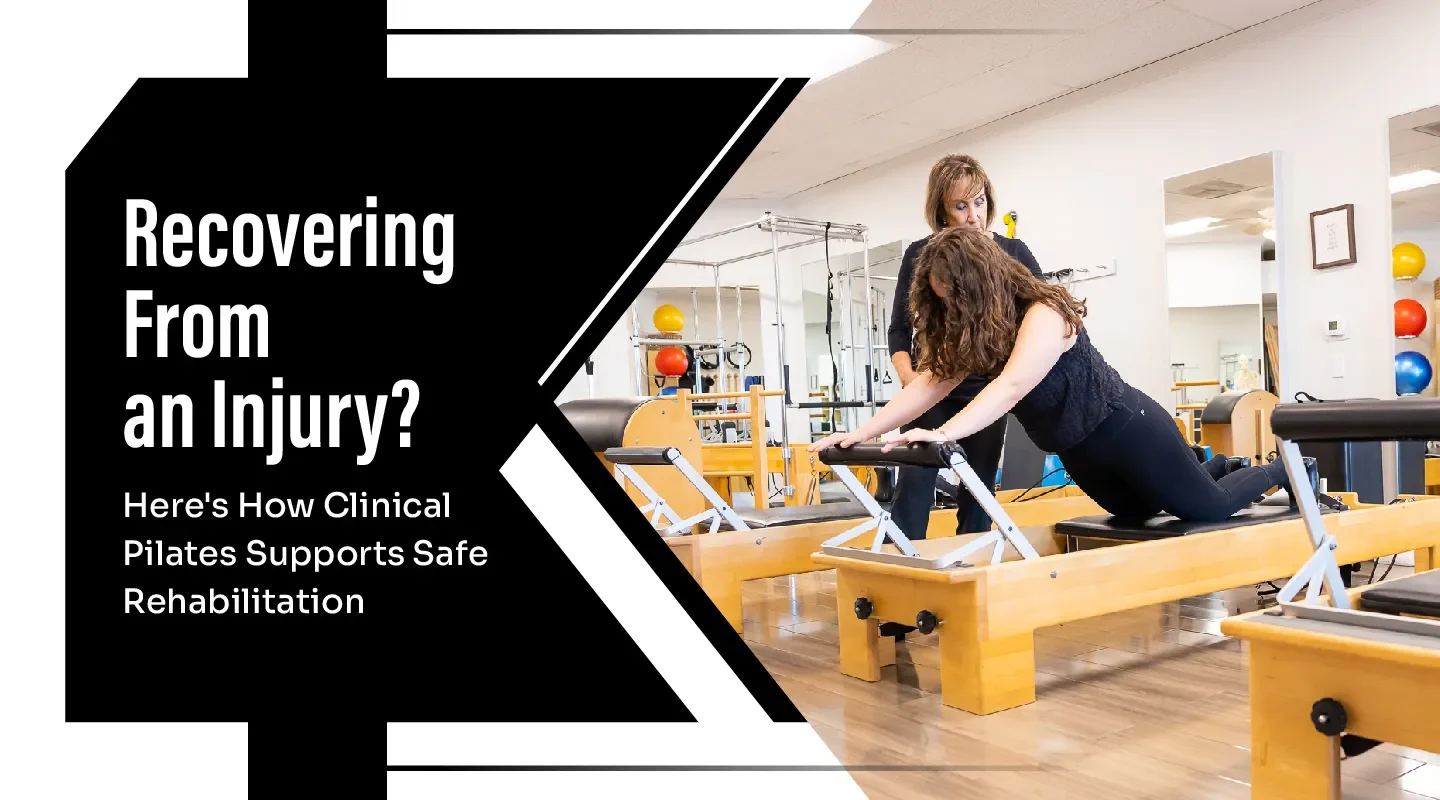
Why Personalised Exercise Makes a Difference
No two injuries are exactly the same.
Even two people with similar diagnoses may have different movement patterns, fitness levels, lifestyles, and rehabilitation goals.
A personalised assessment allows exercises to be selected according to:
Injury history
Current symptoms
Strength levels
Mobility
Occupation
Sporting activities
Daily functional requirements
This individual approach is one of the reasons Clinical Pilates is commonly incorporated into rehabilitation programs.
Restoring Movement Quality
After an injury, the body often develops compensatory movement patterns.
For example:
Someone with knee pain may shift more weight onto the opposite leg.
A person recovering from a shoulder injury may limit arm movement and place greater strain on the neck.
These adaptations can be helpful initially but may create additional problems if they continue long after healing has occurred.
Clinical Pilates helps identify and gradually correct these movement patterns through controlled, purposeful exercise.
Building Strength Without Overloading the Body
Traditional strength training may not always be appropriate during the early stages of rehabilitation.
Clinical Pilates uses low-impact exercises that focus on controlled movement and proper technique.
As recovery progresses, exercises can be gradually advanced to improve:
Functional strength
Stability
Endurance
Balance
Coordination
This progressive approach helps individuals regain confidence while respecting the body's healing process.
The Importance of Core Stability During Recovery
The muscles surrounding the trunk play an essential role in supporting the spine and transferring force throughout the body.
When these muscles become weaker following injury or inactivity, movement can become less efficient.
Clinical Pilates includes exercises that encourage activation of the body's deep stabilising muscles, helping to improve movement control during everyday tasks.
Improved core stability may also reduce unnecessary strain on surrounding muscles and joints.
Rehabilitation Is Also About Confidence
Recovery is not only physical.
Many people become hesitant to move after experiencing pain or injury.
They may worry about making the injury worse or repeating the same movement that caused discomfort.
This fear can sometimes limit recovery even after the injured tissues have healed.
A structured rehabilitation program provides a safe environment where movement can gradually be reintroduced with appropriate guidance and progression.
Clinical Pilates and Everyday Function
Successful rehabilitation is measured by more than pain reduction.
The ultimate goal is helping people return to the activities that matter most.
Depending on the individual, this may include:
Walking comfortably
Returning to work
Lifting children
Playing sport
Gardening
Travelling
Enjoying recreational activities
Clinical Pilates focuses on improving movement patterns that transfer directly into everyday life rather than isolated gym exercises.
Testimonials
Choosing the Right Rehabilitation Approach
When selecting a rehabilitation program, look for one that includes:
Individual assessment
Personalised exercise planning
Progressive programming
Ongoing monitoring
Evidence-informed movement strategies
Clear communication and education
A personalised approach allows exercises to evolve as recovery progresses, helping ensure the program remains both appropriate and effective.
Frequently Asked Questions
Can I start Clinical Pilates immediately after an injury?
This depends on the type and severity of the injury. It's important to follow advice from your healthcare professional and begin exercise when it is appropriate for your stage of recovery.
Is Clinical Pilates suitable after surgery?
Many people incorporate Clinical Pilates into their rehabilitation after surgery, although timing and exercise selection should always be individualised and guided by appropriate medical advice.
Will every rehabilitation program be the same?
No. A personalised assessment ensures exercises are tailored to your injury, goals, movement patterns, and current level of function.
How long does injury rehabilitation usually take?
Recovery varies depending on the nature of the injury, your overall health, and consistency with your rehabilitation program. Progress is usually gradual rather than immediate.
Final Thoughts
Recovering from an injury takes more than time—it requires the right combination of movement, strength, guidance, and confidence. A structured rehabilitation program can help restore function, improve movement quality, and support a safe return to everyday activities.
Clinical Pilates provides an individualised approach that focuses on your specific needs rather than a one-size-fits-all program. By improving stability, mobility, coordination, and body awareness, it can play an important role in long-term recovery and injury prevention.
At Arena Clinical Pilates North Curl Curl, we provide personalised rehabilitation programs designed to help clients move with confidence at every stage of recovery. If you're looking for Pilates for Injury Recovery Northern Beaches or exploring Rehabilitation Pilates Northern Beaches, we're here to support your journey with tailored, one-to-one guidance.