
Understanding Spinal Rehabilitation: How Clinical Pilates Supports Recovery
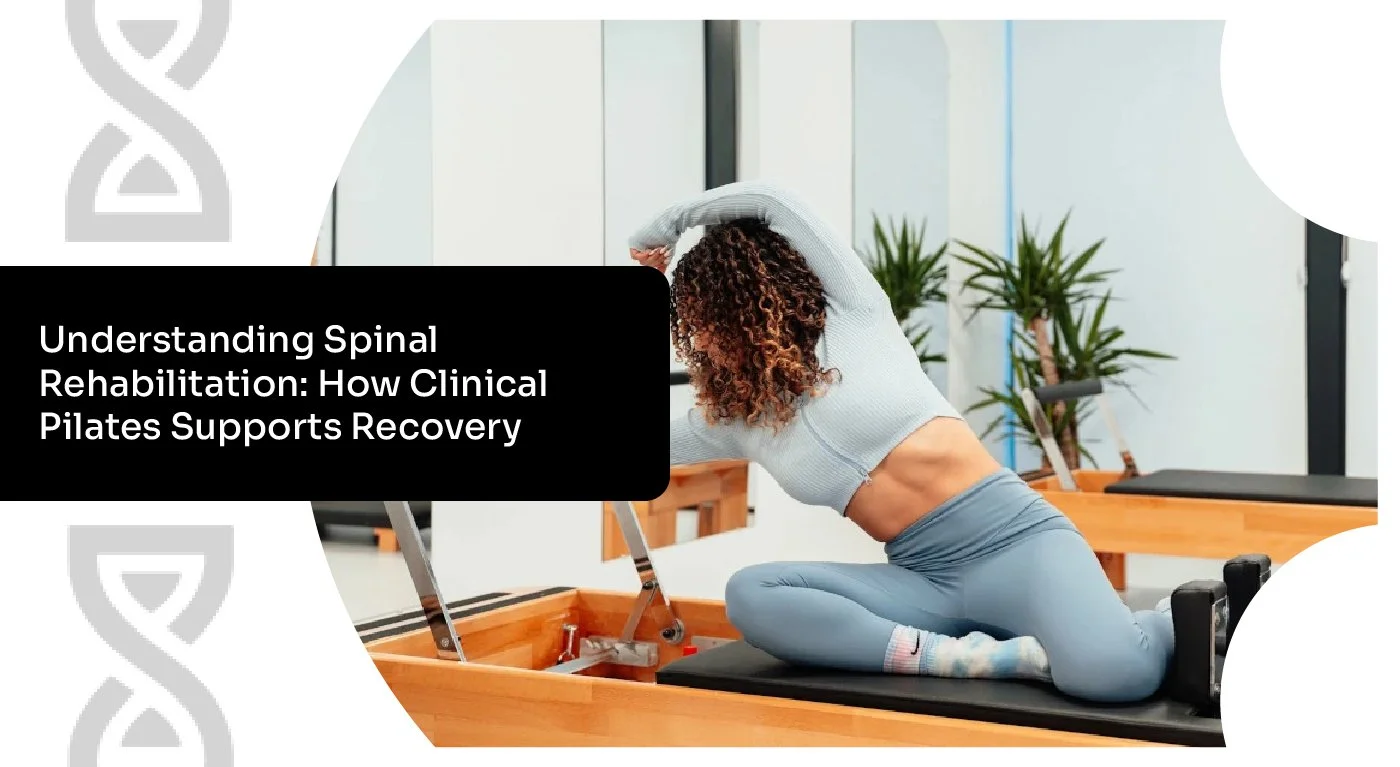
Back pain and spinal conditions can have a significant impact on everyday life. Whether the discomfort develops gradually through poor movement habits or follows an injury, many people find that simple tasks such as sitting, walking, lifting, or even sleeping become increasingly difficult.
When this happens, it's natural to look for ways to reduce pain. However, lasting improvement often requires more than simply managing symptoms. It involves restoring the way the body moves, improving strength and stability, and rebuilding confidence in everyday movement.
This is where spinal rehabilitation plays an important role.
Rather than focusing only on pain relief, spinal rehabilitation aims to improve function, helping people return to daily activities safely and confidently. One approach that is increasingly recommended by healthcare professionals is Clinical Pilates because it combines controlled movement, personalised exercise, and education to support long-term spinal health.
What Is Spinal Rehabilitation?
Spinal rehabilitation is a structured approach to improving the health and function of the spine after pain, injury, surgery, or ongoing physical limitations.
Its primary goals are to:
Improve movement quality
Restore strength and stability
Reduce unnecessary strain on the spine
Increase flexibility where appropriate
Improve balance and coordination
Support long-term recovery
Unlike treatments that focus only on symptom relief, rehabilitation addresses the underlying movement patterns that may contribute to recurring discomfort.
Every rehabilitation program should be tailored to the individual's condition, lifestyle, and recovery goals.
Why the Spine Needs More Than Rest
Years ago, people experiencing back pain were often advised to rest until the pain disappeared.
Today, research shows that prolonged inactivity can actually delay recovery for many common spinal conditions.
While short periods of rest may be appropriate during acute flare-ups, gradually returning to appropriate movement is generally considered more beneficial than remaining inactive.
Movement helps:
Maintain joint mobility
Improve circulation
Prevent muscle weakness
Support healthy spinal mechanics
Build confidence during recovery
The key is choosing the right type of movement at the right time.
Common Conditions That May Benefit from Spinal Rehabilitation
Every person's experience is different, but spinal rehabilitation is commonly recommended for people experiencing:
Persistent lower back pain
Neck pain
Postural dysfunction
Muscle imbalances
Disc-related conditions
Sciatica
Recovery following spinal surgery
Degenerative spinal changes
Sports-related back injuries
Workplace-related spinal discomfort
Not everyone requires the same exercises or level of rehabilitation, which is why personalised assessment is so important.
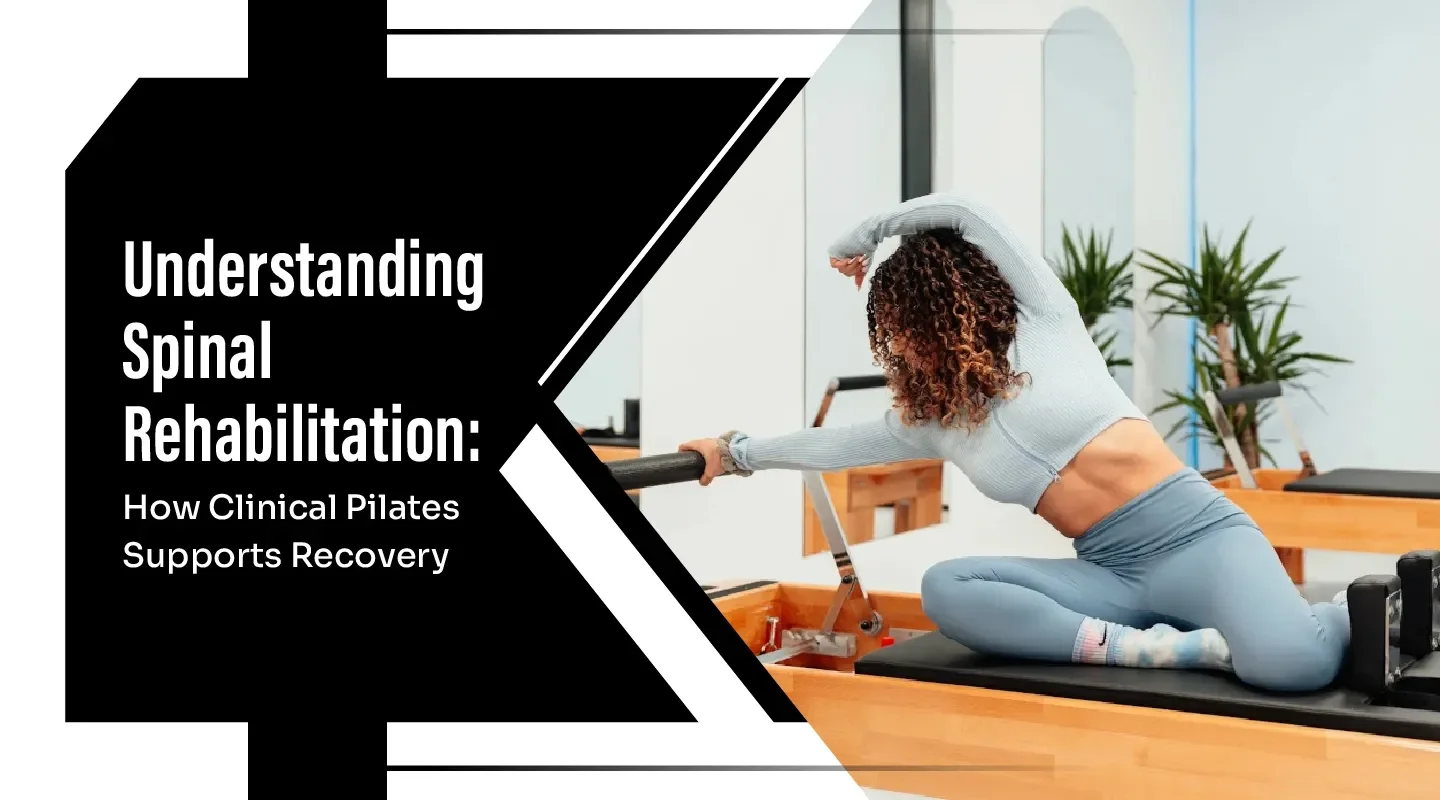
Understanding Why Back Pain Returns
Many people experience temporary relief after massage, medication, or passive treatment, only for the discomfort to return weeks later.
Often, this happens because the underlying movement patterns have not changed.
Some common contributing factors include:
Reduced Core Stability
The deep muscles supporting the spine may not be providing adequate stability during movement.
Poor Movement Mechanics
Simple activities such as bending, lifting, or reaching may place unnecessary stress on the back when performed inefficiently.
Muscle Imbalances
Some muscles become overly active while others become weaker over time, affecting posture and movement.
Limited Mobility
Restricted movement through the hips, thoracic spine, or shoulders can increase the workload placed on the lower back.
Spinal rehabilitation focuses on improving these contributing factors rather than simply masking symptoms.
How Clinical Pilates Supports Spinal Rehabilitation
One reason Clinical Pilates Northern Beaches has become widely recognised within rehabilitation settings is its emphasis on quality of movement rather than high-intensity exercise.
Clinical Pilates encourages controlled, purposeful movement that helps improve:
Core stability
Postural awareness
Joint mobility
Muscle coordination
Functional strength
Balance
Movement confidence
Exercises are progressed gradually according to the individual's needs, allowing people to build strength without unnecessary strain.
Testimonials
Why Individual Assessment Matters
No two people experience back pain in exactly the same way.
Someone recovering from a sporting injury will require a different approach from someone managing age-related spinal changes or recovering after surgery.
A personalised assessment considers factors such as:
Medical history
Previous injuries
Current symptoms
Daily activities
Mobility
Strength
Balance
Individual goals
This information helps create an exercise program that is both appropriate and sustainable.
Improving Core Stability for Long-Term Support
The spine relies on a complex system of muscles to provide stability during movement.
These include:
Transverse abdominis
Multifidus
Pelvic floor muscles
Diaphragm
Together, these muscles create a supportive system that helps the spine manage everyday physical demands.
Rather than focusing on traditional abdominal exercises, Clinical Pilates teaches people how to activate these muscles during functional movement.
Over time, this may improve movement efficiency and reduce unnecessary spinal loading.
Restoring Confidence Through Movement
Pain often changes how people move.
Some begin avoiding certain activities altogether because they worry about making the pain worse.
Others compensate by overusing different muscle groups, creating new movement problems.
A structured rehabilitation program helps individuals gradually rebuild confidence by introducing movement in a safe and controlled environment.
This is an important part of long-term recovery that is sometimes overlooked.
The Role of Rehabilitation Pilates
Rehabilitation Pilates Northern Beaches combines the principles of Clinical Pilates with an individualised rehabilitation approach.
Rather than following a standard class format, sessions are adapted to suit the person's current physical capacity.
Programs are continually adjusted as movement improves, ensuring clients continue progressing safely.
This makes rehabilitation Pilates suitable for a wide range of people, including those returning from injury or managing persistent musculoskeletal conditions.
Supporting Better Posture and Everyday Movement
Good posture is not about holding one perfect position all day.
Instead, it involves moving efficiently and distributing physical loads evenly throughout the body.
Clinical Pilates helps improve:
Standing posture
Sitting posture
Walking mechanics
Lifting technique
Functional movement
These improvements often make everyday activities feel easier and more comfortable.
What to Expect During a Clinical Pilates Session
A personalised Clinical Pilates session generally begins with an assessment of movement, posture, strength, and mobility.
Based on this assessment, exercises are selected to suit the individual's current ability and rehabilitation goals.
Sessions may include:
Controlled mat-based exercises
Pilates equipment where appropriate
Core activation
Balance training
Mobility exercises
Functional movement practice
As confidence and strength improve, exercises are gradually progressed to support continued recovery.
Frequently Asked Questions
Is Clinical Pilates suitable after a back injury?
Many people use Clinical Pilates as part of their rehabilitation following a back injury. The suitability of exercise depends on the individual's condition and should always be assessed by a qualified professional.
How long does spinal rehabilitation take?
Recovery varies depending on the cause of the condition, overall health, and consistency with the rehabilitation program. Some people notice improvements within weeks, while others require a longer-term approach.
Can spinal rehabilitation help prevent future back pain?
Improving strength, movement quality, posture, and body awareness may help reduce the likelihood of recurring back pain for many individuals.
Is Clinical Pilates only for people with severe back problems?
No. Clinical Pilates is suitable for a wide range of people, from those experiencing mild discomfort to individuals recovering from injury or managing ongoing musculoskeletal conditions.
Final Thoughts
Recovering from back pain is about more than simply reducing discomfort. Long-term improvement often comes from understanding how the body moves and addressing the factors contributing to ongoing symptoms.
Spinal rehabilitation provides a structured pathway towards improved movement, greater confidence, and better physical function. By combining personalised assessment with controlled, progressive exercise, Clinical Pilates offers a practical and evidence-informed approach to supporting spinal health.
At Arena Clinical Pilates North Curl Curl, every program is tailored to the individual. Whether you're recovering from an injury, managing persistent discomfort, or looking to move with greater confidence, our personalised approach is designed to support your long-term wellbeing.
If you're looking for Rehabilitation Pilates Northern Beaches or exploring how Clinical Pilates Northern Beaches can support your recovery, our experienced team is here to help you move safely and confidently.