
Pilates During Pregnancy: Adapting Movement as Your Body Changes
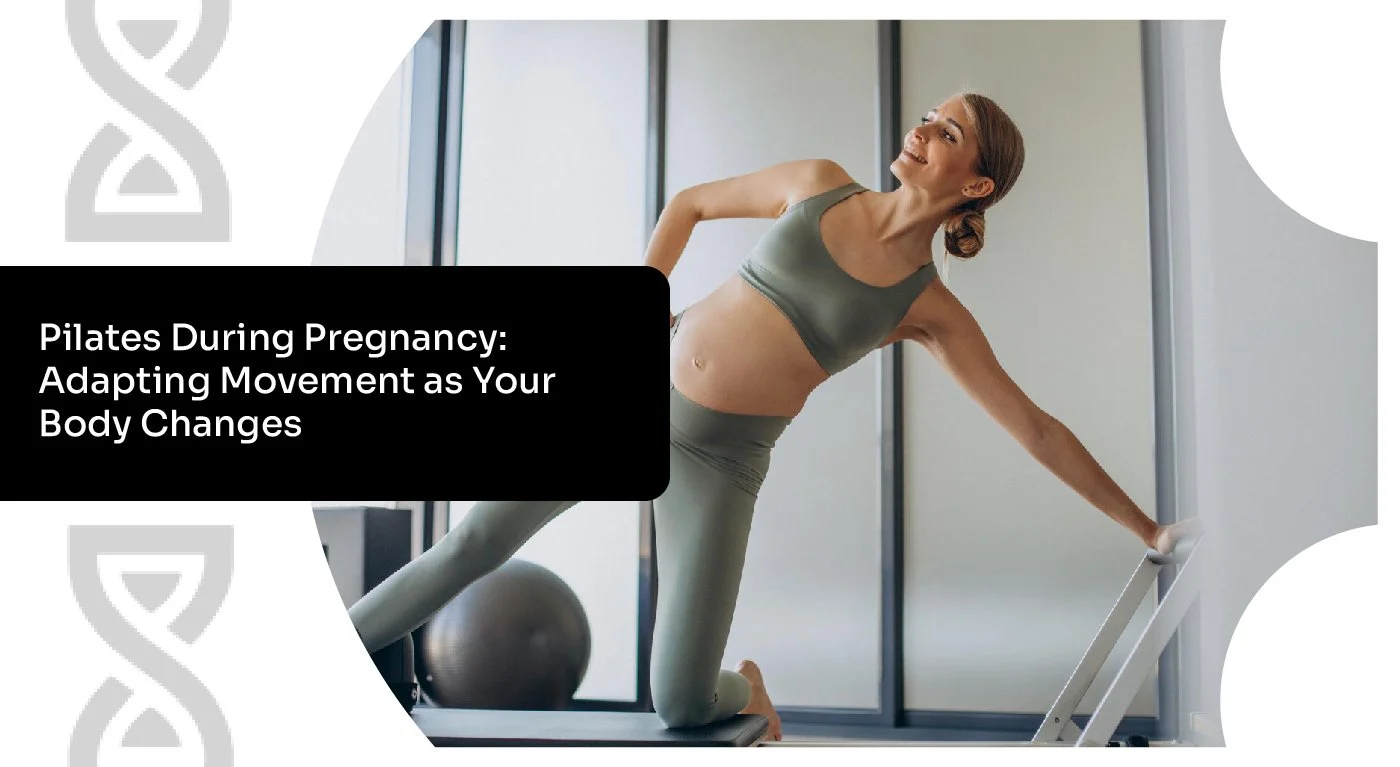
Pregnancy brings a range of physical changes that can influence how a person moves, exercises and feels throughout the day. As the body adapts, activities that once felt familiar may begin to require different levels of support, balance or effort.
For people who have been active before pregnancy, maintaining a suitable movement routine may help them stay connected with their bodies and continue exercising in a way that feels comfortable. Pilates during pregnancy can be one option, provided the exercises are appropriate for the individual's health, stage of pregnancy and previous activity experience.
Prenatal Pilates is not about maintaining the same routine throughout pregnancy or achieving a particular fitness outcome. It is about adapting movement as needs change, paying attention to comfort and following advice from a maternity healthcare professional.
How Pregnancy Can Change the Way You Move
During pregnancy, the body undergoes changes that can affect posture, balance, breathing, muscular effort and everyday movement. These changes vary from person to person and may also differ between pregnancies.
As the abdomen grows, the body's centre of mass shifts. Some people notice changes in balance or find that particular positions feel less comfortable. Daily activities such as getting up from the floor, turning, reaching or walking may require small adjustments.
Hormonal changes also influence connective tissues, while changes in body size and energy levels can affect exercise tolerance. These are normal aspects of pregnancy, but they can mean that a familiar exercise needs to be modified or replaced.
There is no single way pregnancy should feel, and not everyone experiences the same physical challenges. An exercise approach should be flexible enough to respond to these differences.
What Is Prenatal Pilates?
Prenatal Pilates adapts Pilates-based movement to the needs and comfort of a person during pregnancy. Depending on the individual's experience and health advice, exercises may focus on controlled movement, general strength, coordination, posture and body awareness.
A pregnancy-adapted session may include:
Controlled, low-impact movements
Exercises for general muscular strength
Comfortable mobility and movement practice
Breathing awareness
Balance and coordination activities
Modifications to positions, range or resistance
The aim is to maintain an appropriate level of physical activity where possible, not to push through discomfort or follow a standard sequence regardless of how the person feels.
If you are considering Prenatal and Postnatal Pilates in the Northern Beaches, it is important to discuss your exercise plans with your maternity care provider, particularly if you have complications, symptoms or specific restrictions.
Why Exercise May Need to Change Throughout Pregnancy
An exercise that feels comfortable in early pregnancy may not feel the same later on. Adjustments are not a sign of reduced ability; they are a practical way to respond to changing needs.
Early Pregnancy: Responding to Energy and Comfort
In early pregnancy, some people experience nausea, fatigue, breast tenderness or changes in their usual energy levels. Others feel well and can continue many of their familiar activities, subject to medical guidance.
During this stage, exercise may need to be adjusted according to energy, comfort and any symptoms. It can be useful to reduce intensity, shorten a session or choose movements that feel manageable on a particular day.
There is no requirement to progress exercise during this time. Maintaining a comfortable routine, when appropriate, may be a more realistic goal.
Mid-Pregnancy: Adapting to Physical Changes
As pregnancy progresses, changes in abdominal size, posture and balance may affect how certain exercises feel. Movements that require lying in a particular position, a large range of motion or significant balance may need to be adapted.
An instructor can modify positions, use additional support or adjust resistance to help maintain comfort and control. The emphasis should be on how the movement feels and whether it remains appropriate, rather than on completing the same exercises as before pregnancy.
Later Pregnancy: Prioritising Support and Manageable Movement
In later pregnancy, changes in body size, fatigue and physical comfort may make some movements more challenging. Some people may prefer shorter sessions, supported positions or exercises that require less effort to transition between positions.
The focus can shift towards comfortable movement, maintaining general activity where appropriate and responding to the body's changing needs. It is also reasonable to rest or stop an exercise when it does not feel right.
These stages are general descriptions, not a prescribed exercise programme. Individual needs and healthcare advice should guide all decisions.
The Role of Breathing and Body Awareness
Breathing and body awareness are often included in Pilates-based movement. During pregnancy, practising comfortable breathing and noticing how the body responds to exercise may help people make informed adjustments.
Breathing should remain natural and unforced. Exercises should not require holding the breath or straining to complete a movement. An instructor can offer cues that encourage steady breathing and a manageable level of effort.
Body awareness can also help a person notice when balance, comfort or fatigue changes. This can be useful when deciding whether to modify a movement, take a break or finish a session.
Pilates is not a substitute for pelvic health assessment or treatment. If you have concerns such as pelvic pain, urinary leakage, heaviness or pressure, speak with your maternity care provider or a pelvic health physiotherapist for individual advice.
Why Personalised Guidance Matters
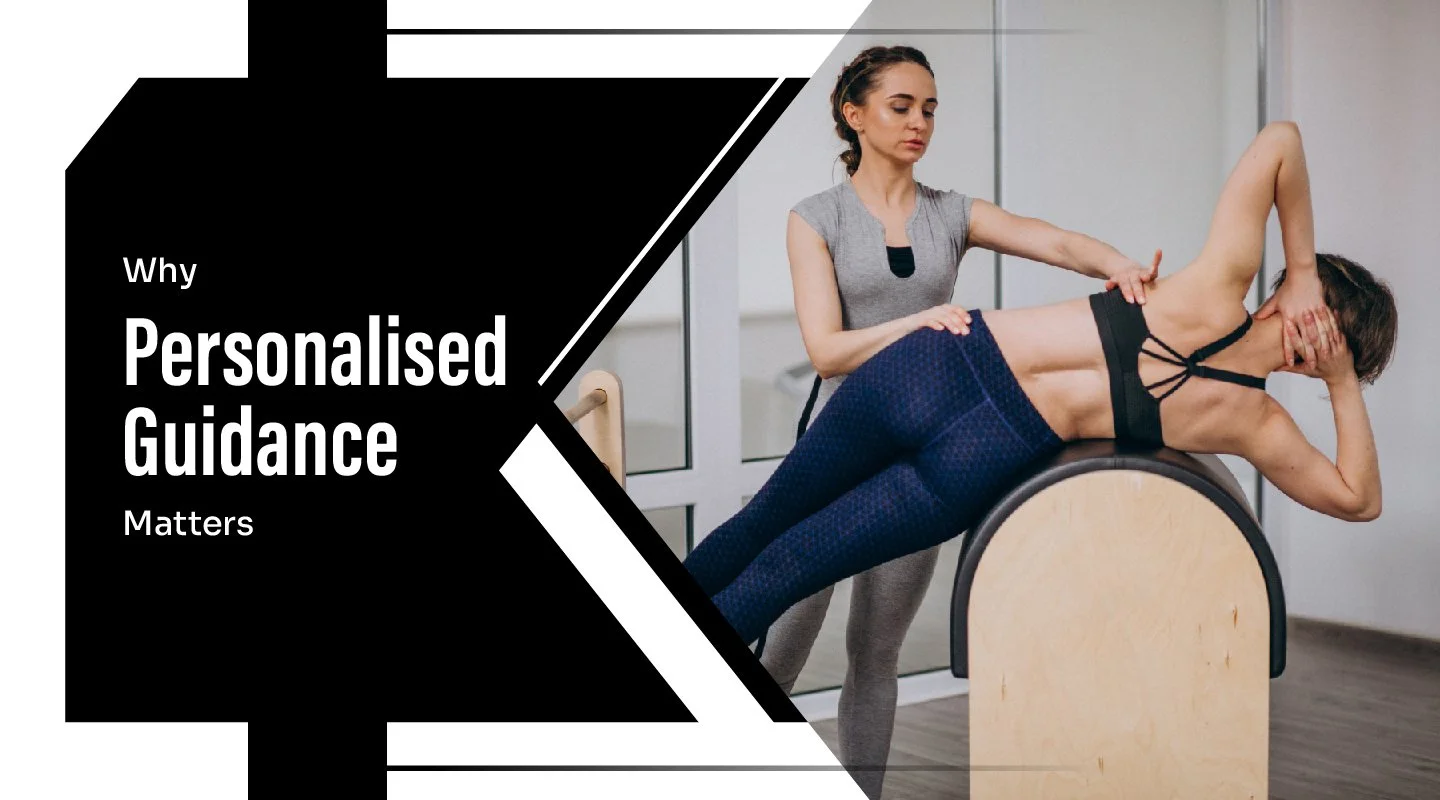
Pregnancy is not a uniform experience. Two people at the same stage may have different activity histories, physical comfort, medical considerations and exercise goals.
A personalised approach can consider:
Previous Pilates or exercise experience
Current stage of pregnancy
Comfort with different positions
Balance and movement confidence
Energy levels and exercise tolerance
Advice or restrictions from a maternity care provider
Personal preferences and goals
At Arena Pilates, private and small-group sessions allow movement to be adapted, with no more than three clients in a session. This can provide a more focused setting for discussing comfort and modifying exercises as needed.
Learn more about our Prenatal and Postnatal Pilates service to understand the approach offered at the studio.
Testimonials
When to Pause Exercise and Seek Advice
Exercise during pregnancy should be guided by individual medical advice. Stop exercising and contact your maternity healthcare provider if you experience concerning symptoms, such as vaginal bleeding, fluid leakage, dizziness or faintness, chest pain, unusual shortness of breath, painful contractions, severe headache, or calf pain or swelling.
This list is not exhaustive. If you have any uncertainty about whether a symptom is normal or whether exercise is suitable, seek advice from your maternity care team before continuing.
People with pregnancy complications or specific medical conditions may need individual restrictions or supervision. A Pilates instructor should be informed of relevant advice, and exercise should not proceed against medical recommendations.
Is Pilates Suitable If You Have Never Done It Before?
Some people begin Pilates during pregnancy without having practised it previously. Whether this is suitable depends on their health, pregnancy and exercise history, so it is important to obtain guidance from a maternity healthcare professional first.
For beginners, a suitable session should start with manageable movements and clear instruction. It should not assume previous Pilates knowledge or expect the person to perform advanced exercises.
Those who have practised Pilates before may also need modifications. Familiarity with an exercise does not automatically mean it remains appropriate as pregnancy progresses.
Frequently Asked Questions
Can I continue Pilates if I was practising before pregnancy?
Many people can continue an appropriate exercise routine during pregnancy, but the suitability of individual movements may change. Discuss your plans with your maternity care provider and adapt exercises according to their advice and your comfort.
Do I need to stop Pilates in later pregnancy?
Not necessarily. Whether to continue depends on individual health, symptoms, comfort and medical guidance. Some people modify their sessions significantly, while others may need to stop or choose a different form of activity.
Is prenatal Pilates a treatment for pregnancy-related pain?
Pilates should not be presented as a treatment for every type of pregnancy-related pain. If you experience persistent, severe or concerning pain, seek assessment from an appropriate healthcare professional. A modified exercise programme may be considered as part of a broader plan if advised.
How is prenatal Pilates different from a general Pilates class?
Prenatal Pilates considers the physical changes and individual needs associated with pregnancy. Exercises and positions may be adapted for comfort, balance, movement experience and any relevant healthcare advice. The degree of individualisation depends on the instructor and session format.
Staying Active With an Individualised Approach
Pregnancy can change how movement feels from week to week. A flexible approach to exercise can help people respond to those changes without feeling pressure to maintain a previous routine or reach a particular performance goal.
When appropriate for the individual, Pilates may provide a structured way to practise comfortable movement, general strength and body awareness during pregnancy. The most important considerations are personal health, professional guidance, comfort and adapting activity as needs evolve.
At Arena Clinical Pilates North Curl Curl, our sessions are designed around individual movement needs and goals. If you are exploring pregnancy-adapted exercise, visit our Prenatal and Postnatal Pilates to learn more about the service and discuss whether it may be suitable for you.