
Clinical Pilates for Hypermobility: Building Strength, Control and Confidence
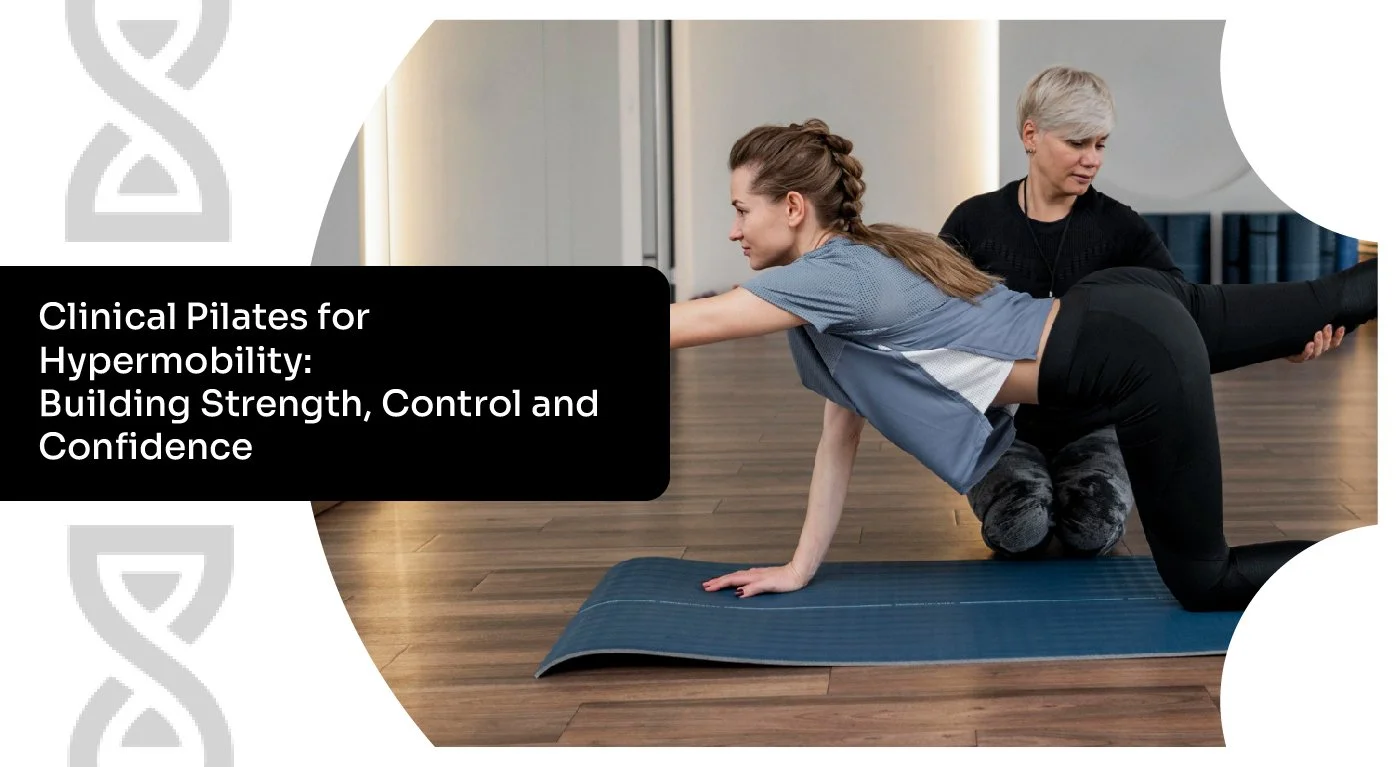
Hypermobility describes joints that move through a greater range than is typical. For some people, this is simply a natural feature of their body and does not cause difficulties. For others, increased joint movement may be accompanied by discomfort, fatigue, reduced stability or challenges with certain physical activities.
When joints move easily beyond the range a person can comfortably control, developing strength and movement awareness can become an important part of an individual exercise plan. Clinical Pilates for Hypermobility may offer a structured way to practise controlled movement, build muscular support and develop confidence during everyday activities.
The appropriate approach depends on the individual. Hypermobility varies considerably, and Pilates should not be treated as a cure or as a substitute for medical assessment. Instead, carefully selected exercises may complement guidance from a physiotherapist or other qualified healthcare professional.
Understanding Hypermobility and Its Effect on Movement
Joint hypermobility means that one or more joints can move beyond the usual range of motion. It may occur without symptoms, or it may be associated with issues such as joint discomfort, fatigue, repeated strains or a sense of instability.
Some people have generalised joint hypermobility, while others experience increased movement in only certain joints. The impact can also differ depending on strength, coordination, activity levels and previous injury history.
For some individuals, the challenge is not the ability to reach a particular position, but the ability to control movement within that range. A person may find it easy to extend a joint but have difficulty maintaining a stable, comfortable position during a task.
This is why exercise for hypermobility should not focus solely on increasing flexibility. In many cases, the emphasis is on developing strength, coordination, body awareness and control.
Why Strength and Joint Control Matter
Muscles help support joints as the body moves, changes direction and responds to physical demands. When muscular control is limited, some people with hypermobility may find certain movements tiring or difficult to manage.
A suitable strengthening programme may help an individual practise:
Maintaining controlled joint positions during movement
Developing strength around joints that feel less stable
Coordinating different muscle groups
Improving awareness of body position
Building tolerance for everyday physical activities
The aim is not to keep every joint rigid or prevent natural movement. It is to develop the strength and control needed to move comfortably and confidently, without repeatedly pushing into ranges that feel unstable or uncomfortable.
How Clinical Pilates May Support People With Hypermobility
Clinical Pilates uses controlled exercises that can be adapted to a person's movement ability, physical history and goals. Rather than following a fixed routine, a programme can be adjusted according to how the individual responds.
For someone with hypermobility, sessions may place particular attention on movement quality instead of achieving the largest possible range.
Practising Controlled Movement
Slow, deliberate exercises can provide an opportunity to notice how a joint moves and how surrounding muscles contribute to control. The instructor may adjust the range, resistance, support or pace to make an exercise more manageable.
This can help the individual practise moving with awareness, rather than relying on momentum or moving repeatedly to the end of a joint's available range.
Developing Strength Gradually
Strengthening exercises can be selected and progressed according to the individual's current capacity. Depending on their needs, sessions may involve mat-based movement or Pilates equipment, with resistance and support adjusted as appropriate.
Progression should be gradual. Increasing repetitions, resistance or complexity is not automatically necessary at every session. The response to exercise, including any increase in discomfort or fatigue, should guide how a programme develops.
Improving Body Awareness
Body awareness involves recognising posture, joint position, balance and the effort used during movement. This can be useful for people who find it difficult to sense when a joint is moving beyond a comfortable or controlled range.
With appropriate instruction, exercises can provide opportunities to practise alignment, coordination and smooth transitions between positions. These skills may also be relevant to everyday movements such as standing from a chair, reaching or climbing stairs.
Building Confidence Through Adaptation
People who have experienced discomfort or instability may become cautious about movement. A carefully adapted exercise environment can allow them to practise within a manageable range and build confidence progressively.
Confidence should not mean ignoring symptoms or pushing through pain. It involves understanding personal limits, recognising when an exercise needs adjustment and progressing at a suitable pace.
Why a Personalised Approach Is Important
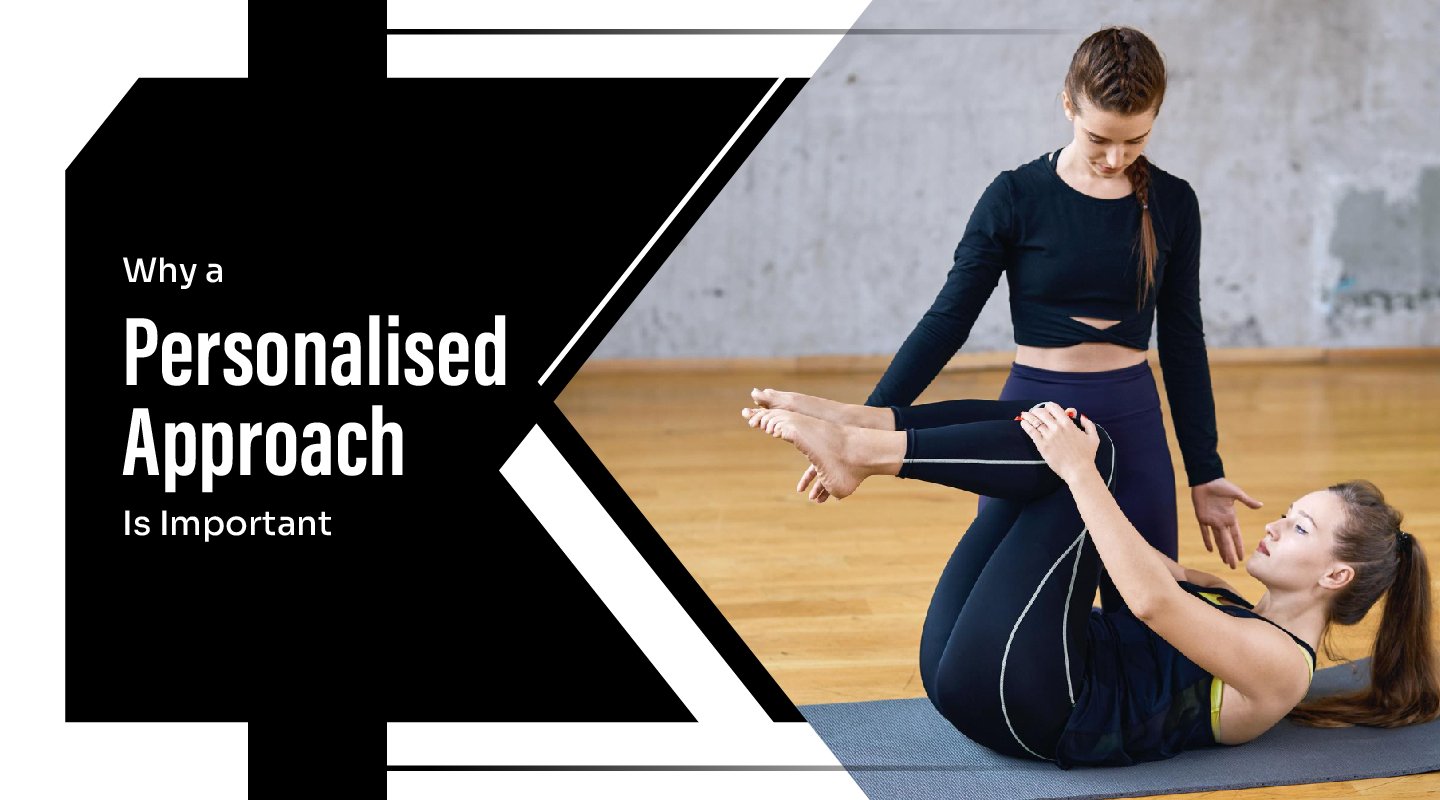
There is no single Pilates routine that is suitable for everyone with hypermobility. One person may want to improve their ability to manage daily tasks, while another may be working towards returning to a particular recreational activity.
An individualised programme should take into account factors such as:
Which joints are affected
Current strength and movement control
Exercise experience and activity levels
Previous injuries and relevant medical advice
Activities that are comfortable or challenging
The person's own goals and preferences
Where a person has ongoing pain, repeated joint instability, significant fatigue or a diagnosed connective tissue condition, input from an appropriate healthcare professional is important. Clinical Pilates may complement a care plan, but it should not replace assessment or treatment.
At Arena Pilates, private and small-group sessions provide an opportunity for exercises to be adapted to individual needs, with a maximum of three clients in a session. Learn more about our Clinical Pilates sessions in the Northern Beaches.
Testimonials
What to Be Mindful of During Exercise
People with hypermobility may respond differently to exercise, so it is important to pay attention to how the body feels during and after a session.
A suitable programme may avoid repeatedly pushing joints to their end range, using momentum to complete movements or increasing difficulty too quickly. Exercises should be adjusted if they cause sharp pain, a feeling of giving way, unusual symptoms or a significant worsening of discomfort.
Some muscle effort and ordinary post-exercise tiredness can occur with strengthening, but persistent or escalating symptoms should not be ignored. If an exercise feels unsuitable, it is appropriate to stop and seek guidance from the instructor or healthcare professional involved in the person's care.
Is Clinical Pilates Suitable for Everyone With Hypermobility?
Not necessarily. Suitability depends on a person's symptoms, health history, functional ability and current advice from their healthcare team.
Some people with hypermobility can participate in general exercise without special modifications. Others may benefit from a more individualised programme, particularly if they experience difficulty with joint control or have specific rehabilitation goals.
A conversation with a qualified healthcare professional can help determine whether Pilates is appropriate and whether any precautions or exercise modifications are needed.
Frequently Asked Questions
Should people with hypermobility avoid stretching?
Not in every case. Stretching needs vary by individual. However, when a person already has a large available range of movement, repeatedly pursuing greater flexibility may not be helpful. Exercise choices should reflect comfort, control and professional guidance.
Can Pilates improve joint stability?
Pilates exercises may help develop muscular strength, coordination and control around joints. The extent of benefit varies, and Pilates does not change the underlying cause of hypermobility or guarantee that joints will become stable.
Is private Pilates better for hypermobility?
Private sessions can allow closer individual attention and exercise modifications. Some people may also be comfortable in a small group, depending on their needs and the instructor's ability to provide suitable guidance.
Should I get assessed before starting?
If you have pain, recurrent joint instability, a diagnosed condition or uncertainty about which activities are suitable, seek advice from a qualified healthcare professional before starting a new programme.
Supporting Movement That Works for You
Living with hypermobility does not mean movement should be avoided. With appropriate guidance, many people can explore ways to develop strength, coordination and confidence that reflect their own needs.
Clinical Pilates may be one option within a broader approach to movement, particularly when exercises are selected carefully and progressed at a manageable pace. The focus should remain on controlled, comfortable movement rather than pushing flexibility or striving for a particular shape.
At Arena Clinical Pilates North Curl Curl, sessions are personalised to support each person's movement goals. If you are considering a more individualised approach, explore our Clinical Pilates services in the Northern Beaches to learn more.