
Can Pilates Help Lower Back Pain?
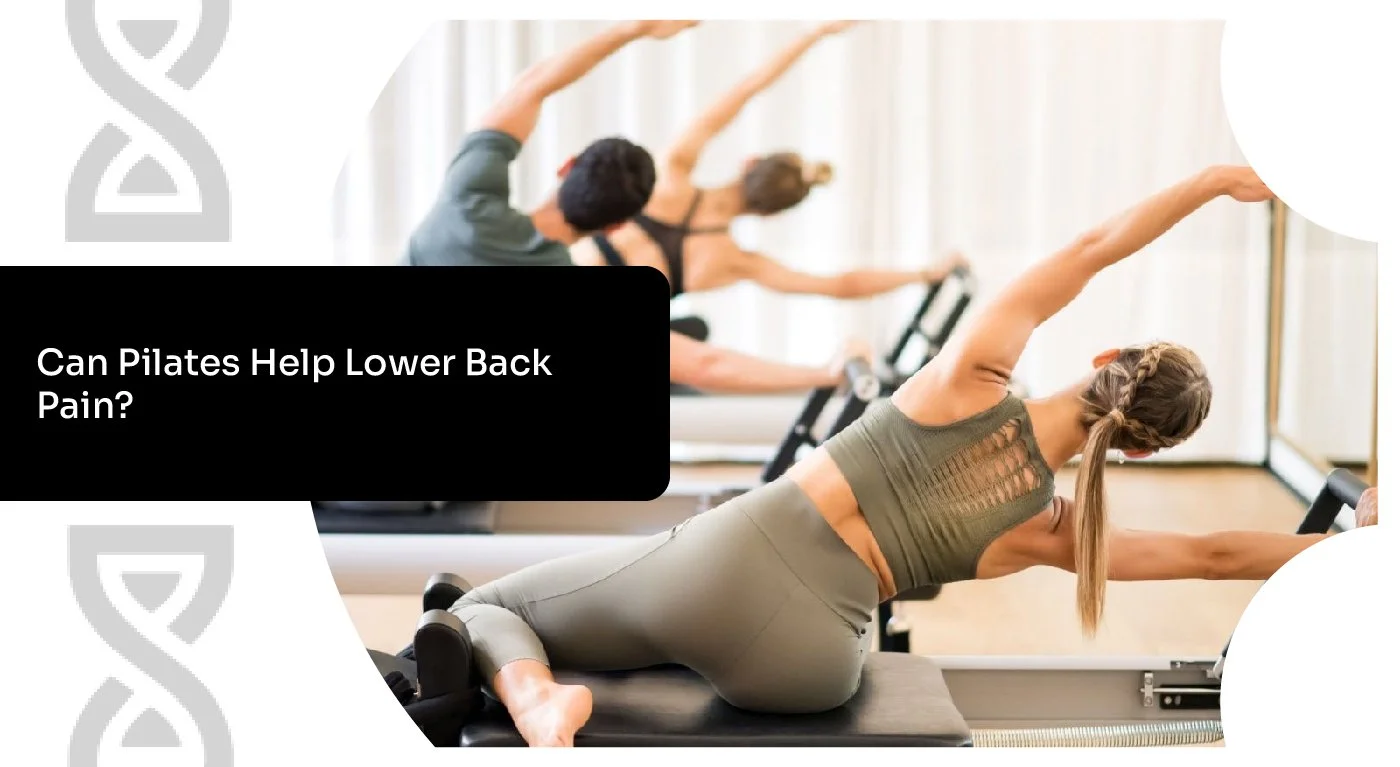
Lower back pain is one of the most common physical complaints experienced by adults. Whether it develops from prolonged sitting, poor posture, repetitive movements, injury, or simply the demands of everyday life, back pain can have a significant impact on comfort, mobility, and overall quality of life.
For many people, lower back pain becomes more than a temporary inconvenience. It can affect work, exercise, sleep, and confidence in movement. As a result, many individuals begin searching for safe and sustainable ways to improve their symptoms without relying solely on medication or avoiding activity altogether.
One approach that has gained significant attention over the past decade is Pilates. While Pilates is often associated with fitness and flexibility, it is also widely used as a movement-based approach to improve strength, stability, posture, and body awareness.
But can Pilates actually help lower back pain?
The answer depends on the cause of the pain, the individual's condition, and the type of Pilates being performed. However, when delivered appropriately and tailored to the individual's needs, Pilates can play an important role in supporting spinal health and improving movement patterns that contribute to ongoing discomfort.
Understanding Lower Back Pain
To understand how Pilates may help, it is first important to understand why lower back pain occurs.
The lower back, also known as the lumbar spine, is responsible for supporting much of the body's weight while allowing movement in multiple directions. Every day, the lower back absorbs forces created by walking, lifting, bending, sitting, and other activities.
When muscles, joints, ligaments, or movement patterns become compromised, discomfort can develop.
Some of the most common contributors to lower back pain include:
Poor posture
Prolonged sitting
Weak core muscles
Reduced hip mobility
Muscle imbalances
Previous injuries
Repetitive movement patterns
Physical inactivity
In many cases, lower back pain is not caused by a single structure. Instead, it often develops as a result of multiple factors working together over time.
Acute vs Chronic Lower Back Pain
Not all back pain is the same.
Acute lower back pain typically develops suddenly and may last for several days or weeks. It is often associated with a specific incident such as lifting an object, sudden movement, or minor injury.
Chronic lower back pain generally persists for more than three months and may involve ongoing discomfort, stiffness, or recurring episodes of pain.
Individuals experiencing chronic back pain often develop compensatory movement patterns. These compensations may initially reduce discomfort but can eventually place additional strain on other areas of the body.
This is one reason why addressing movement quality is often an important part of long-term management.
How Pilates Works
Pilates is a movement system that focuses on controlled exercise, posture, stability, flexibility, and body awareness.
Unlike many traditional exercise programs that prioritise intensity or repetition, Pilates focuses on how the body moves rather than simply how much it moves.
Sessions typically aim to improve:
Core stability
Movement control
Postural alignment
Mobility
Balance and coordination
Muscle activation patterns
For individuals with lower back pain, these areas are often directly related to how symptoms develop and persist.
Why Core Strength Matters for Back Health
One of the most recognised benefits of Pilates is its emphasis on core stability.
The term "core" refers to a group of muscles that help support and stabilise the spine and pelvis. These muscles include the deep abdominal muscles, pelvic floor, diaphragm, and muscles surrounding the lower back.
When these muscles are functioning effectively, they help create a stable foundation for movement.
When core support is reduced, other structures may compensate, potentially increasing stress on the lower back.
Pilates exercises are specifically designed to improve awareness and activation of these supporting muscles, helping individuals develop greater control during everyday activities.
The Relationship Between Posture and Lower Back Pain
Posture is another important factor.
Many people spend long hours sitting at a desk, driving, or looking down at screens. Over time, these habits may contribute to changes in alignment and movement patterns.
Poor posture does not automatically cause pain, but it can influence how forces are distributed throughout the body.
For example:
Tight hip flexors may increase stress on the lower back.
Reduced thoracic mobility may affect spinal movement.
Weak postural muscles may contribute to fatigue and discomfort.
Pilates helps improve body awareness, making it easier to recognise and correct movement habits that may be contributing to unnecessary strain.
Testimonials
Can Pilates Help Chronic Back Pain?
Many individuals with chronic back pain find that movement becomes something they fear.
This is understandable. When movement causes discomfort, people often begin avoiding certain activities altogether.
Unfortunately, prolonged avoidance can sometimes lead to reduced strength, decreased mobility, and further physical deconditioning.
A carefully structured Pilates program can help individuals gradually rebuild confidence in movement.
By using controlled exercises and progressive challenges, Pilates may help clients:
Improve movement quality
Increase strength
Enhance flexibility
Improve body awareness
Reduce fear associated with movement
This gradual approach is often particularly beneficial for those dealing with long-term symptoms.
What Does Research Say About Pilates and Back Pain?
Research into Pilates and lower back pain has grown considerably over recent years.
Studies have suggested that Pilates-based exercise programs may help improve:
Pain levels
Functional movement
Core strength
Quality of life
Physical confidence
While results vary between individuals, many healthcare and rehabilitation professionals incorporate Pilates principles into broader movement and recovery programs.
It is important to remember that no single exercise system is a universal solution. The most effective approach is usually one that is tailored to the individual's condition and goals.
Why a Clinical Pilates Approach Can Be Beneficial
Not all Pilates programs are identical.
General Pilates classes are often designed for fitness and conditioning, while clinical Pilates takes a more individualised approach.
A clinical approach may include:
Movement assessments
Personalised programming
Exercise modifications
Ongoing progression monitoring
This allows sessions to be adapted according to the client's needs rather than requiring the client to adapt to a standardised class format.
For individuals experiencing ongoing discomfort, this personalised approach can provide greater confidence and support.
Who May Benefit From Pilates for Back Pain?
Pilates may be suitable for individuals who:
Experience recurring lower back discomfort
Spend long periods sitting
Have poor posture habits
Are returning to activity after injury
Want to improve core strength
Are seeking a low-impact form of exercise
Because sessions can be modified, Pilates is suitable for a wide range of ages and fitness levels.
When Should You Seek Professional Advice?
While Pilates may be beneficial for many people, it is important to seek professional guidance if symptoms are severe, persistent, or accompanied by other concerning signs.
Anyone experiencing significant pain, neurological symptoms, or uncertainty about the cause of their condition should consult an appropriate healthcare professional before beginning a new exercise program.
A proper assessment helps ensure that exercise remains safe and appropriate.
Frequently Asked Questions
Is Pilates safe if I already have lower back pain?
In many cases, yes. However, exercises should be selected according to the individual's condition and tolerance levels. A personalised assessment is recommended.
How long does it take to see results?
Results vary depending on the individual, consistency, and underlying cause of symptoms. Many people notice improvements in movement awareness and comfort over time.
Is Pilates better than stretching for lower back pain?
Stretching and Pilates serve different purposes. While stretching focuses primarily on flexibility, Pilates also addresses strength, stability, posture, and movement control.
Can beginners do Pilates for back pain?
Yes. Pilates can be adapted for beginners and tailored to different fitness levels and physical conditions.
Conclusion
A combination of strength, mobility, posture, and movement habits often influences lower back pain. Addressing these factors requires more than simply treating symptoms—it requires understanding how the body moves and functions as a whole.
At Arena Clinical Pilates North Curl Curl, our personalised programs are designed to help clients improve movement quality, develop greater confidence, and build the strength and stability needed to support long-term spinal health.
If you are looking for Pilates for Back Pain Northern Beaches, our tailored approach can help you move more comfortably and confidently while supporting your long-term wellbeing.
Book a session today to learn how personalised Pilates may support your recovery and movement goals.