
Can Clinical Pilates Help Prevent Injuries?
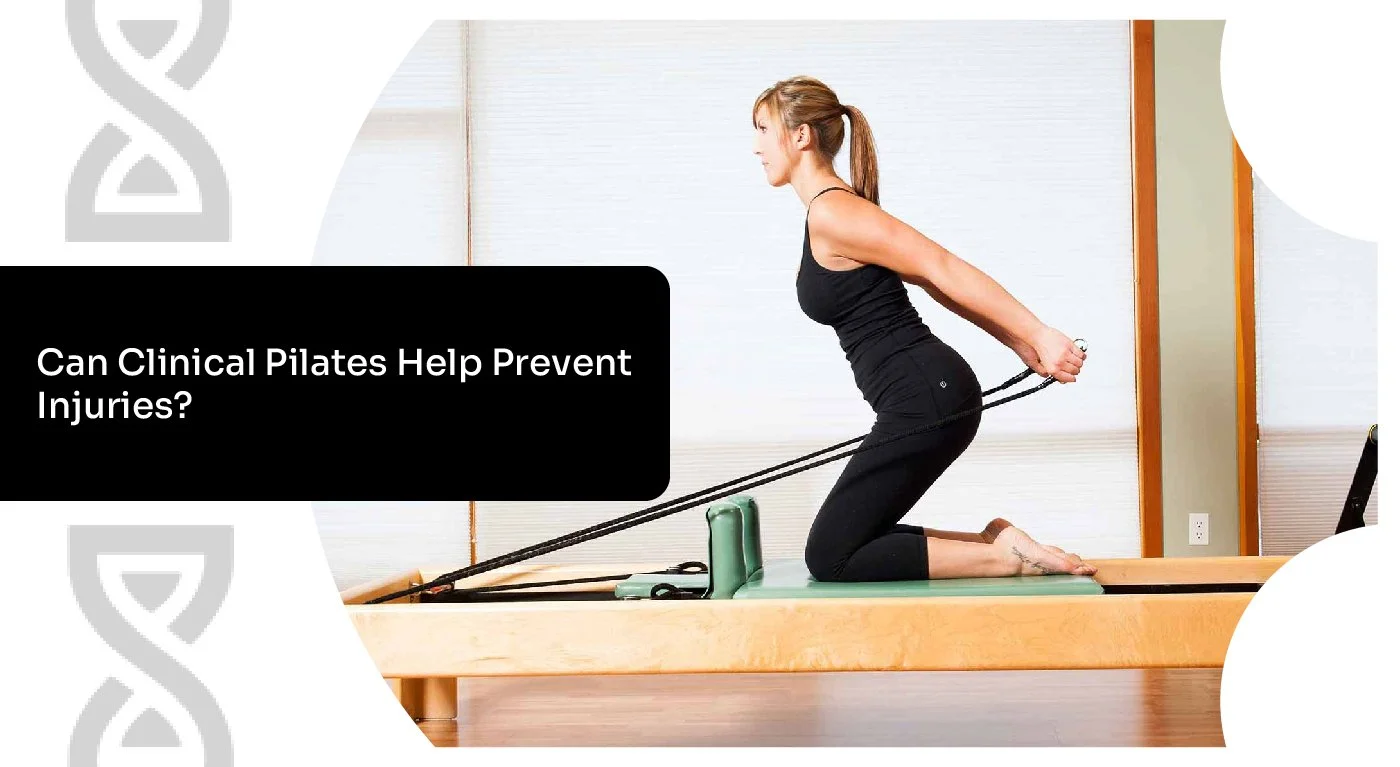
Most people think about rehabilitation after an injury occurs. However, one of the greatest benefits of clinical Pilates is its ability to help reduce injury risk before problems develop.
By focusing on movement quality, stability, and muscular balance, clinical Pilates helps the body function more efficiently during both everyday activities and physical exercise.
This proactive approach can play an important role in long-term physical health and performance.
Why Injuries Often Happen
Many injuries are not caused by a single event.
Many of these contributing factors are also associated with reduced movement efficiency. Improving flexibility and joint function through better mobility and movement control may help reduce the likelihood of these issues developing over time.
Poor movement patterns
Muscular imbalances
Weak stabilising muscles
Reduced mobility
Repetitive strain
Over time, these issues can increase stress on joints and tissues.
The Role of Movement Quality
Movement quality refers to how efficiently the body performs a task.
When movement patterns become compromised, other areas of the body often compensate.
This may lead to:
Increased joint stress
Reduced stability
Poor posture
Higher injury risk
Clinical Pilates focuses on identifying and improving these movement patterns.
Building Strength Where It Matters
Clinical Pilates targets the muscles responsible for supporting and stabilising the body.
These include:
Deep core muscles
Hip stabilisers
Postural muscles
Shoulder support muscles
Strengthening these areas can improve movement control and reduce unnecessary strain.
Improving Stability and Balance
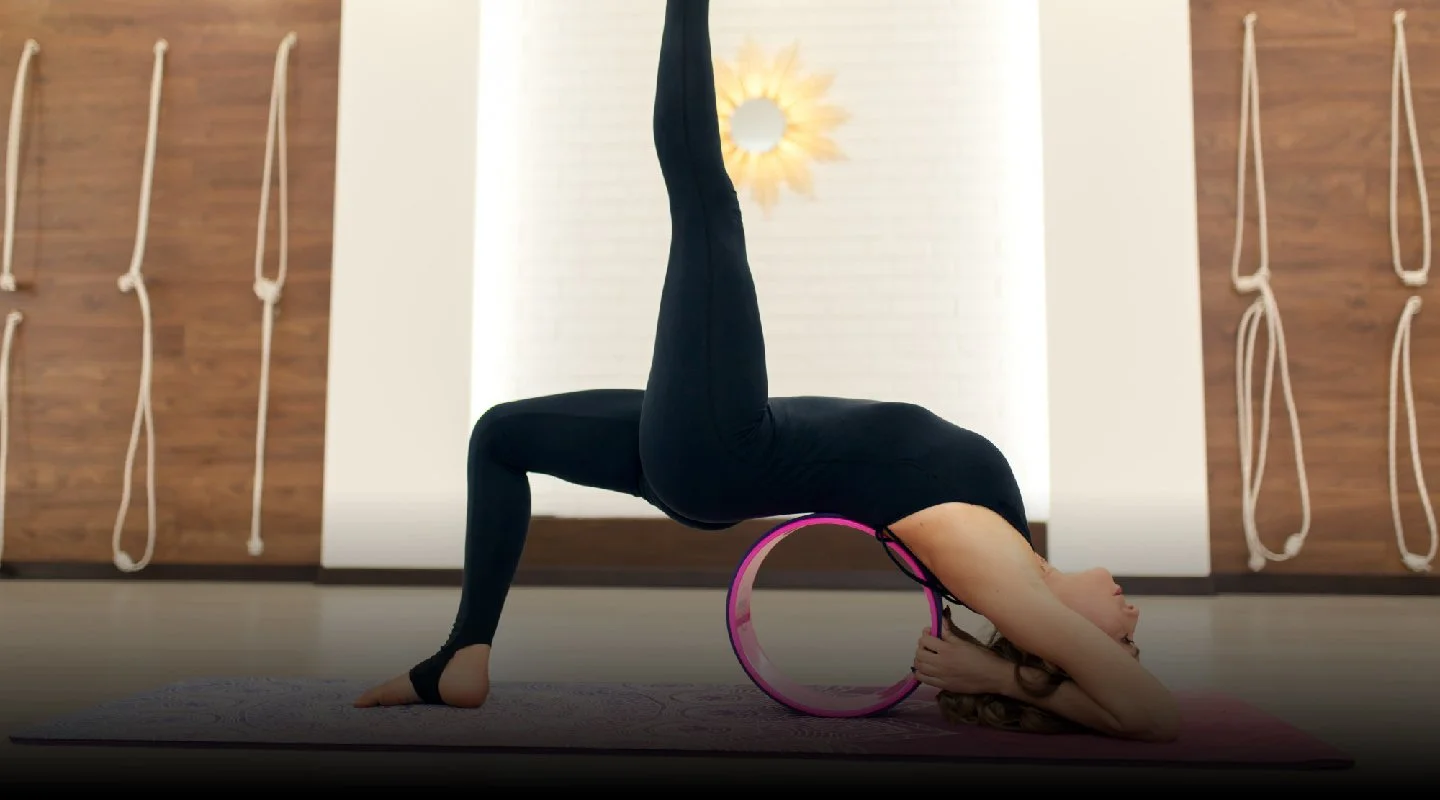
Good balance and stability help the body respond effectively to movement demands.
Whether walking, exercising, lifting, or playing sport, stability contributes to safer movement.
Clinical Pilates includes exercises that challenge coordination and body awareness while maintaining proper control.
Injury Prevention for Active Individuals
Athletes and active individuals often use Pilates as part of their training routine.
Clinical Pilates can support:
Movement efficiency
Recovery between training sessions
Flexibility and mobility
Injury prevention strategies
This makes it a valuable complement to many sports and fitness programs.
Testimonials
Why Individual Assessment Matters
One of the biggest advantages of clinical Pilates is the personalised assessment process. This individualised approach is one reason private Clinical Pilates sessionscan be particularly effective, as exercises are tailored to each person's movement patterns, goals, and physical needs.
Everybody moves differently.
Through assessment, movement limitations and weaknesses can be identified early and addressed before they become larger problems.
This allows programs to focus on the individual's specific needs.
Long-Term Benefits Beyond Injury Prevention
These benefits are valuable for a broad range of individuals, not just athletes. Learn more about who can benefit from Clinical Pilates and how personalised programs can support different lifestyles and movement goals:
Posture
Mobility
Strength
Movement confidence
Everyday physical comfort
These benefits often contribute to better overall quality of life.
Clinical Pilates in Northern Beaches
Preventing injury starts with improving the way the body moves.
At Arena Clinical Pilates North Curl Curl, our sessions are designed to help clients build strength, improve stability, and develop healthier movement patterns through personalised guidance.
If you are looking for clinical Pilates Northern Beaches that focuses on long-term movement health, we are here to support your goals.
Book a session today and invest in your future movement and wellbeing.