
Common Causes of Chronic Back Pain and Why It Keeps Returning
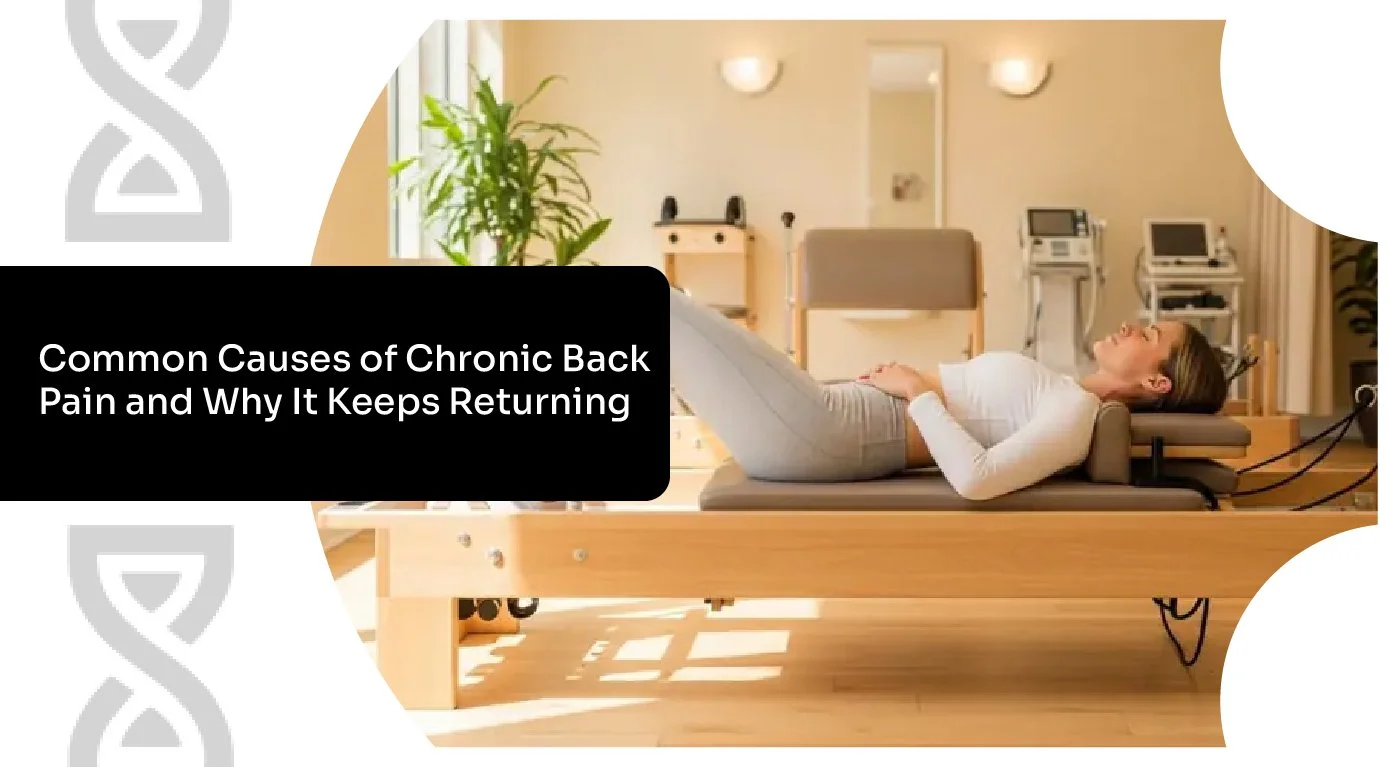
Back pain is something most people experience at some point in their lives. For some, symptoms disappear after a few days or weeks. For others, however, discomfort becomes a recurring issue that affects work, exercise, sleep, and daily activities.
When pain persists for more than three months, it is generally classified as chronic back pain. While the symptoms may vary from person to person, chronic back pain often involves ongoing stiffness, discomfort, reduced mobility, and a growing frustration that the problem never seems to resolve fully.
Many people assume that a serious injury or structural problem must cause chronic pain. While this can sometimes be the case, ongoing back pain is often more complex. In many situations, symptoms persist because underlying movement patterns, physical weaknesses, lifestyle factors, or previous injuries have not been properly addressed.
Understanding why chronic back pain develops is often the first step towards improving long-term spinal health.
What Is Chronic Back Pain?
Chronic back pain refers to pain that continues for longer than twelve weeks, even after the initial injury or irritation has healed.
This does not necessarily mean that damage is still occurring. In many cases, the body's tissues have recovered, but the nervous system, movement habits, and muscular imbalances continue to contribute to ongoing symptoms.
Chronic pain can fluctuate over time. Some individuals experience constant discomfort, while others notice periods of improvement followed by recurring flare-ups.
Understanding the contributing factors is essential for creating an effective management strategy.
Poor Posture and Daily Movement Habits
One of the most common contributors to ongoing back discomfort is poor posture.
Modern lifestyles often involve:
Sitting at a desk for extended periods
Driving long distances
Looking down at phones and devices
Limited daily movement
Over time, these habits can influence how the spine and surrounding muscles function.
Poor posture may contribute to:
Increased muscular tension
Reduced spinal mobility
Joint stiffness
Muscle fatigue
It is important to note that posture alone is rarely the sole cause of chronic pain. However, combined with other factors, it can play a significant role in how symptoms develop and persist.
Weak Core Stability
The spine relies on a network of supporting muscles to maintain stability during movement.
These muscles include:
Deep abdominal muscles
Pelvic floor muscles
Diaphragm
Deep spinal stabilisers
When these muscles are not functioning efficiently, other structures may compensate.
This can result in:
Reduced movement control
Increased stress on joints
Poor movement mechanics
Ongoing discomfort
One reason many people seek Pilates for Chronic Back Pain is that Pilates places significant emphasis on improving core control and movement awareness.
Reduced Hip Mobility
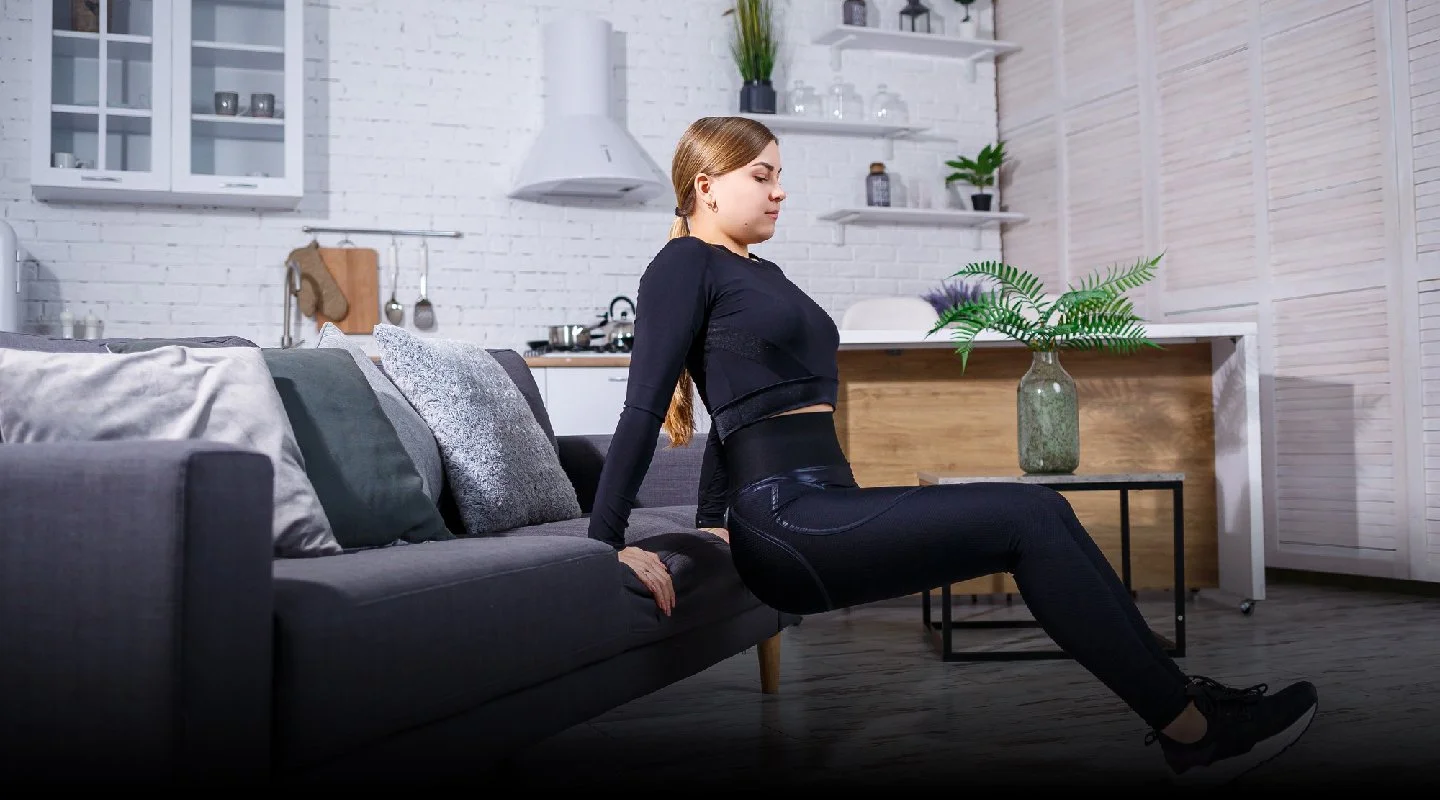
The hips and lower back work closely together during everyday movement.
Activities such as:
Walking
Bending
Lifting
Climbing stairs
All require coordination between the hips and spine.
When hip mobility becomes restricted, the lower back often compensates by moving more than it should.
Over months or years, this increased workload may contribute to:
Stiffness
Muscle tension
Recurrent pain episodes
Improving hip mobility is frequently an important part of long-term movement rehabilitation.
Previous Injuries That Never Fully Resolved
Many chronic back pain sufferers can trace their symptoms back to a previous injury.
Examples include:
Sporting injuries
Workplace incidents
Falls
Lifting injuries
Motor vehicle accidents
Even after tissues heal, altered movement patterns may remain.
People often unconsciously avoid certain movements because they associate them with pain.
While this may feel protective initially, these compensations can eventually create new movement limitations and additional physical stress.
Physical Deconditioning
When pain persists, many people naturally reduce their activity levels.
This response is understandable, but it can create additional challenges.
Reduced activity often leads to:
Muscle weakness
Reduced cardiovascular fitness
Stiff joints
Loss of confidence in movement
This cycle can make returning to normal activities increasingly difficult.
One of the goals of structured movement programs is to rebuild strength and confidence while respecting individual limitations gradually.
Testimonials
Stress and Chronic Pain
Pain is not influenced solely by physical factors.
Research increasingly shows that stress, sleep quality, and emotional well-being can influence how pain is experienced.
When stress levels remain elevated for extended periods, individuals may notice:
Increased muscle tension
Poor recovery
Reduced sleep quality
Heightened pain sensitivity
This does not mean the pain is psychological. Rather, it highlights the fact that chronic pain is often influenced by multiple interconnected systems within the body.

Why Chronic Back Pain Often Returns
Many people experience temporary relief from symptoms only to find the pain eventually returns.
This often occurs because the underlying contributors have not been fully addressed.
For example:
Pain medication may reduce symptoms without improving movement quality.
Rest may reduce irritation without restoring strength.
Stretching may improve flexibility without improving stability.
Long-term improvement often requires a broader approach that addresses the factors contributing to the problem.
The Role of Movement-Based Rehabilitation
Modern rehabilitation increasingly focuses on helping people move better rather than simply avoiding activity.
Appropriate movement may help individuals:
Improve strength
Increase mobility
Enhance body awareness
Build confidence
Improve daily function
This is where approaches such as Pilates for Back Pain Northern Beaches can become valuable.
Rather than focusing solely on symptoms, movement-based exercise aims to improve the body's overall ability to function efficiently.
Why Clinical Pilates Is Often Used for Chronic Back Pain
Clinical Pilates differs from general fitness-based Pilates because it focuses on individual assessment and personalised programming.
Sessions may be adapted according to:
Injury history
Physical condition
Strength levels
Movement limitations
Personal goals
This individualised approach allows exercises to be modified as needed while gradually building capacity and confidence.
For individuals seeking Pilates for Lower Back Pain Northern Beaches, this tailored approach often provides a safer and more effective pathway towards improved movement.
Supporting Long-Term Spinal Health
Managing chronic back pain is rarely about finding a quick fix.
Instead, it often involves improving the way the body moves, responds to physical demands, and adapts to everyday activities.
This may include:
Strengthening supporting muscles
Improving mobility
Addressing movement compensations
Building movement confidence
Developing sustainable exercise habits
Over time, these changes can contribute to better physical function and reduced discomfort.
Frequently Asked Questions
Can weak muscles cause chronic back pain?
Weakness alone is rarely the sole cause, but reduced strength and stability can contribute to poor movement patterns and increased physical stress.
Is rest the best treatment for chronic back pain?
Extended rest is generally not recommended for most people. Appropriate movement and exercise are often important parts of long-term management.
Can Pilates help chronic lower back pain?
Many individuals use Pilates for Chronic Back Pain as part of a broader strategy to improve strength, mobility, posture, and movement quality.
Is Clinical Pilates different from a normal Pilates class?
Yes. Clinical Pilates typically involves assessment, personalised programming, and exercise modification based on individual needs.
Final Thoughts
Chronic back pain is often influenced by multiple factors rather than a single cause. Poor movement habits, weakness, reduced mobility, previous injuries, and lifestyle demands can all contribute to symptoms that persist or repeatedly return.
Understanding these contributing factors is an important step towards making meaningful long-term improvements.
At Arena Clinical Pilates North Curl Curl, we use personalised movement programs designed to help clients improve strength, mobility, posture, and confidence in movement. Whether you are experiencing recurring discomfort or looking to support your long-term spinal health, our tailored approach can help you move more effectively and comfortably.
If you're looking for professional support through Pilates for Back Pain Northern Beaches, our team is here to help guide your recovery and movement journey.