
Pilates for Lower Back Pain: How Movement and Strength Can Support Recovery
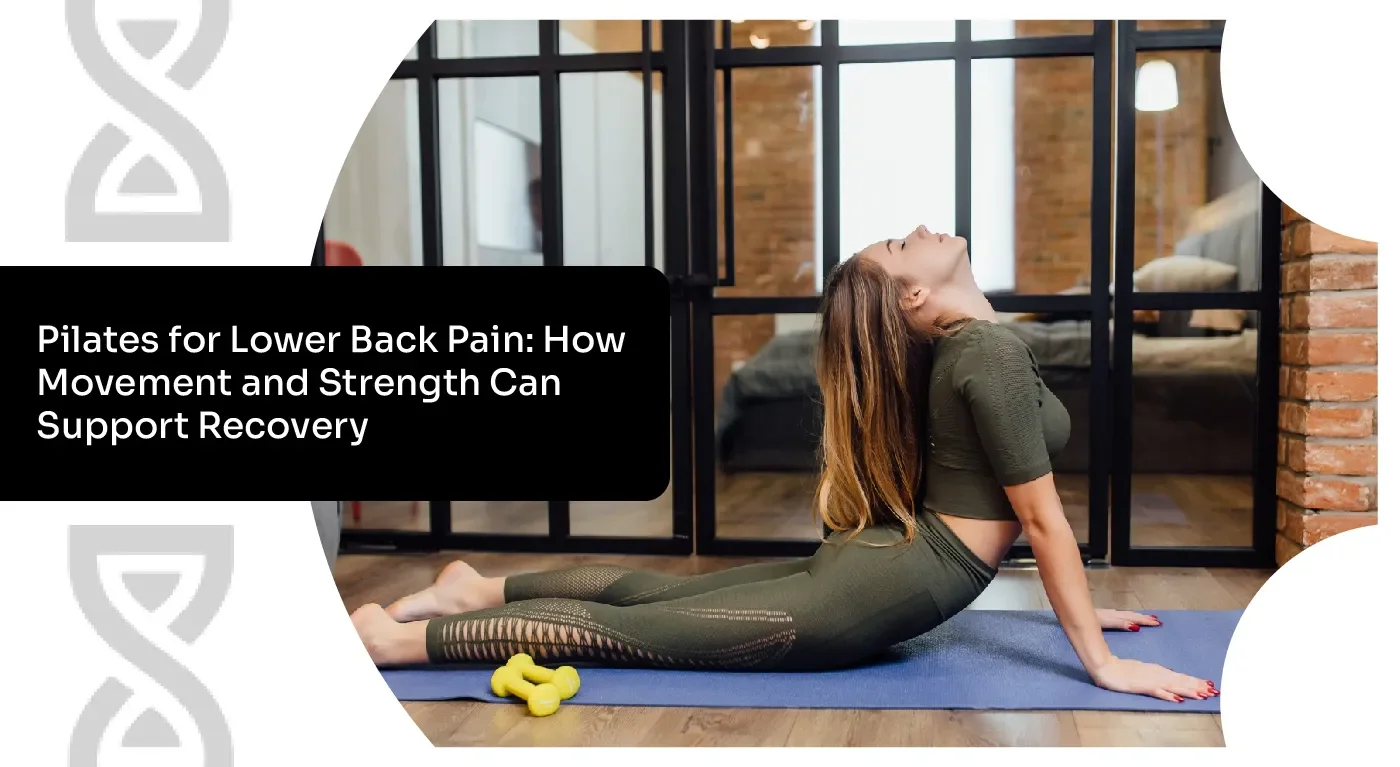
Lower back discomfort is one of the most common reasons people change the way they exercise. Some people reduce their activity because they are worried about making their symptoms worse, while others continue exercising without addressing the movement patterns that may be contributing to their discomfort.
The right approach depends on the individual. Lower back pain can have many different causes, and not every person will benefit from the same exercises or level of activity.
For some people, appropriately selected Pilates exercises can form part of a broader approach to improving strength, movement control and confidence. When considering Pilates for Lower Back Pain Northern Beaches, the focus should be on finding exercises that match the person's current abilities rather than following a generic routine.
Why Does Lower Back Pain Affect Movement?
Pain can change the way a person moves.
Someone experiencing discomfort may unconsciously brace certain muscles, avoid bending or rotation, reduce their walking distance or shift their weight to another part of the body.
These responses can be useful temporarily because they allow the body to protect an irritated area. However, if they continue for a long time, movement can become restricted and confidence can decrease.
This is one reason rehabilitation should look beyond the painful area itself.
The hips, pelvis, thoracic spine, abdominal muscles and lower limbs all contribute to how the lower back functions during everyday movement.
Is Core Strength Important for the Lower Back?
The term "core strength" is often used too broadly.
The core is not simply a group of abdominal muscles that need to be made stronger. It involves coordinated activity between muscles around the trunk and pelvis, together with breathing and movement.
A strong and well-coordinated trunk can help the body manage physical demands such as:
Walking
Lifting
Bending
Reaching
Rotating
Getting up from a chair
Carrying objects
However, stronger abdominal muscles alone do not automatically resolve back pain.
The quality and control of movement are equally important.
Also Read: Common Injuries That May Benefit From Clinical Pilates
How Pilates Can Support Lower Back Rehabilitation
Pilates involves controlled movements that can be modified according to an individual's ability.
Depending on the person's needs, a programme may include exercises that develop:
Trunk control
Hip strength
Spinal mobility
Balance
Postural awareness
Movement coordination
General strength
The objective is not to keep the spine rigid throughout every movement. Healthy movement requires the ability to bend, extend and rotate appropriately.
A well-designed programme can therefore help a person gradually become more comfortable with movement rather than becoming increasingly fearful of it.
Movement Should Be Individualised
There is no single Pilates exercise that is appropriate for every person with back pain.
One person may need to improve hip mobility, while another may require progressive strengthening. Someone else may have good physical capacity but avoid certain movements because of previous pain.
This is particularly important when dealing with Pilates for Chronic Back Pain.
Persistent symptoms require an individual approach rather than simply repeating a standard set of exercises.
A personalised session can consider the person's history, current symptoms, movement ability, previous activity and goals.
What About Tight Hips and the Lower Back?
People with back discomfort often describe their hips as "tight".
Hip mobility can influence how the pelvis and spine move, particularly during activities such as squatting, walking and bending.
However, having tight hips does not necessarily mean that restricted hip mobility is the cause of someone's back pain.
This distinction matters.
Rather than assuming that one particular muscle or joint is responsible, a movement professional should consider how the different parts of the body work together.
Exercises can then be selected according to the individual's actual movement needs.
Also Read: How to Return to Exercise After an Injury
Should You Stop Exercising When Your Back Hurts?
Not necessarily.
For many people, remaining appropriately active is an important part of managing back problems. However, the type, intensity and amount of activity may need to change temporarily.
For example, someone who normally performs heavy resistance training may need to reduce load while symptoms are being assessed. Another person may benefit from continuing with walking and gentle movement.
The important point is that exercise should be appropriate to the person's current condition.
If an activity consistently aggravates symptoms, it should not simply be pushed through without understanding why.
Gradual Loading Matters
The body adapts to physical stress.
If someone has avoided movement for several weeks, suddenly returning to their previous exercise level may be difficult.
A gradual progression might involve increasing:
Range of movement
Repetitions
Resistance
Exercise complexity
Duration
Functional demands
The order and speed of progression depend on the individual.
The goal is to gradually increase what the body can tolerate rather than constantly exercising below its capacity.
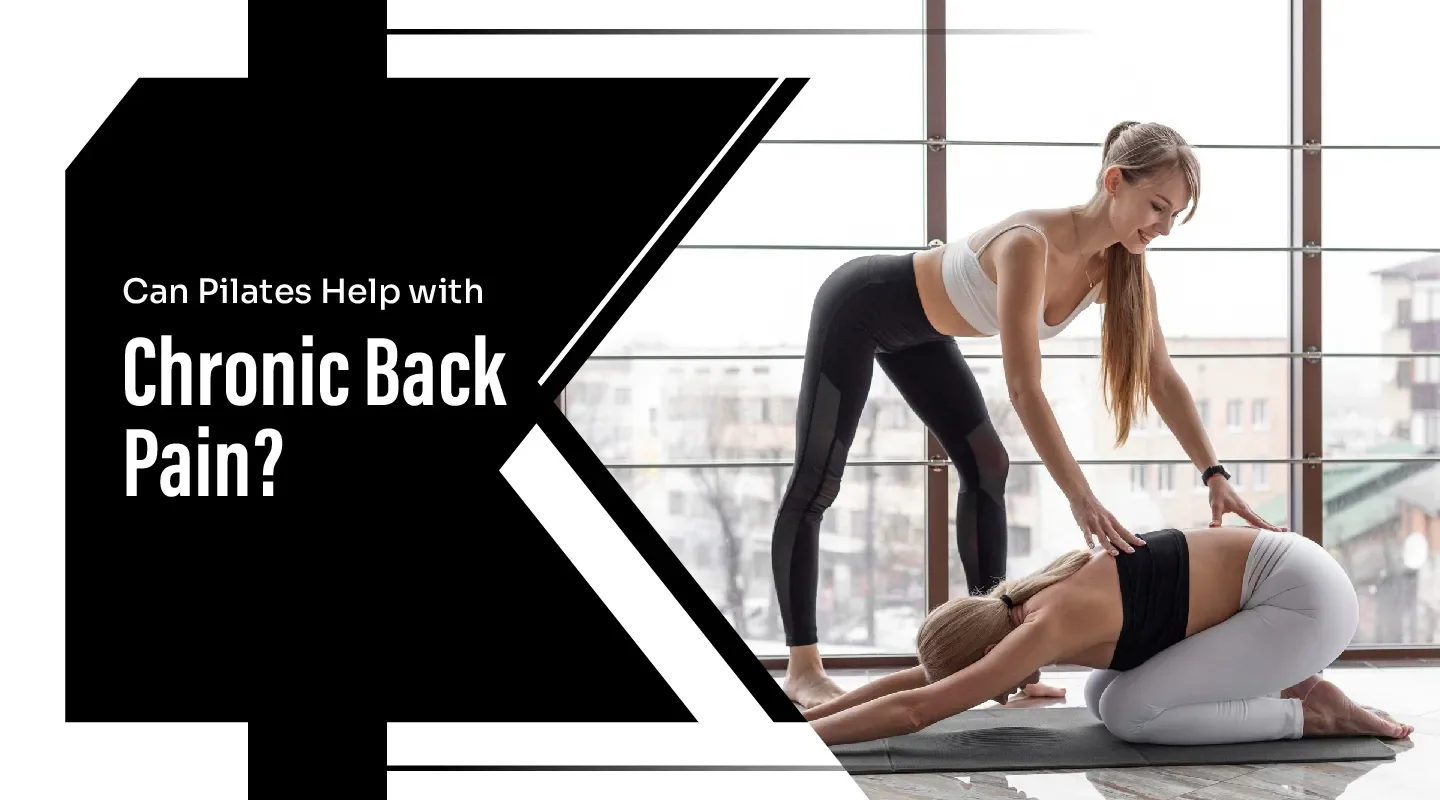
Can Pilates Help With Chronic Back Pain?
Chronic or persistent back pain can be complicated because physical, behavioural and lifestyle factors may all influence the experience of pain.
Exercise may be one component of management, but it should not be presented as a guaranteed solution.
For some people, appropriately prescribed Pilates can help develop strength, movement confidence and physical capacity.
Others may require additional support from a GP, physiotherapist or another qualified healthcare professional.
A coordinated approach is particularly useful when symptoms are persistent or significantly affecting daily life.
Testimonials
When Should Back Pain Be Professionally Assessed?
Most episodes of back pain are not caused by serious conditions, but certain symptoms require medical attention.
Seek professional assessment if back pain is accompanied by symptoms such as:
Significant or worsening weakness
Numbness or altered sensation
Loss of bladder or bowel control
Severe pain following significant trauma
Unexplained weight loss
Fever or feeling seriously unwell
Persistent symptoms that are not improving
These symptoms should not be managed solely through exercise.
Appropriate medical assessment should come first.
Also Read: Can Clinical Pilates Help Improve Mobility?
How Clinical Pilates Differs From a General Pilates Class
A general Pilates class may provide a structured workout for a group of participants with different needs.
Clinical Pilates takes a more individualised approach.
Exercises can be selected and modified according to a person's movement capacity, physical limitations and goals.
This can be particularly useful for someone returning to exercise after an injury or managing ongoing back discomfort.
If you would like to understand the broader approach, our Clinical Pilates Northern Beaches service page explains how personalised sessions differ from a general Pilates class.
Frequently Asked Questions
Is Pilates suitable for lower back pain?
Pilates may be appropriate for some people with lower back pain, but the exercises should be selected according to the individual's condition, symptoms and physical ability.
Should I exercise if I have chronic back pain?
Many people can remain physically active while managing persistent back pain. However, the appropriate type and intensity of exercise varies, particularly when symptoms are severe or changing.
Can Pilates strengthen the lower back?
Pilates can incorporate exercises that develop the muscles supporting the trunk, pelvis and hips. A balanced programme focuses on coordinated movement rather than simply strengthening the lower back.
Can Pilates replace physiotherapy for back pain?
Not necessarily. Pilates and physiotherapy can have different roles. Someone with an injury or persistent symptoms may benefit from professional assessment and a combination of appropriate approaches.
How quickly will Pilates improve back pain?
There is no reliable timeframe that applies to everyone. Progress depends on the underlying problem, consistency, physical capacity and other factors affecting recovery.
Building Better Movement, Not Just Chasing Pain Relief
Managing lower back discomfort is not simply about finding an exercise that makes the pain disappear.
A more useful long-term approach is to understand how the person moves, identify limitations that can be addressed, and gradually build the strength and confidence needed for everyday activities.
For some people, personalised Pilates can form an important part of that process.
At Arena Clinical Pilates North Curl Curl, sessions can be adapted to individual movement needs and physical goals. If you're exploring Pilates for Back Pain Northern Beaches, the starting point should always be an approach that considers the whole person rather than treating the painful area in isolation.