
How Poor Posture Contributes to Back Pain (And What You Can Do About It)
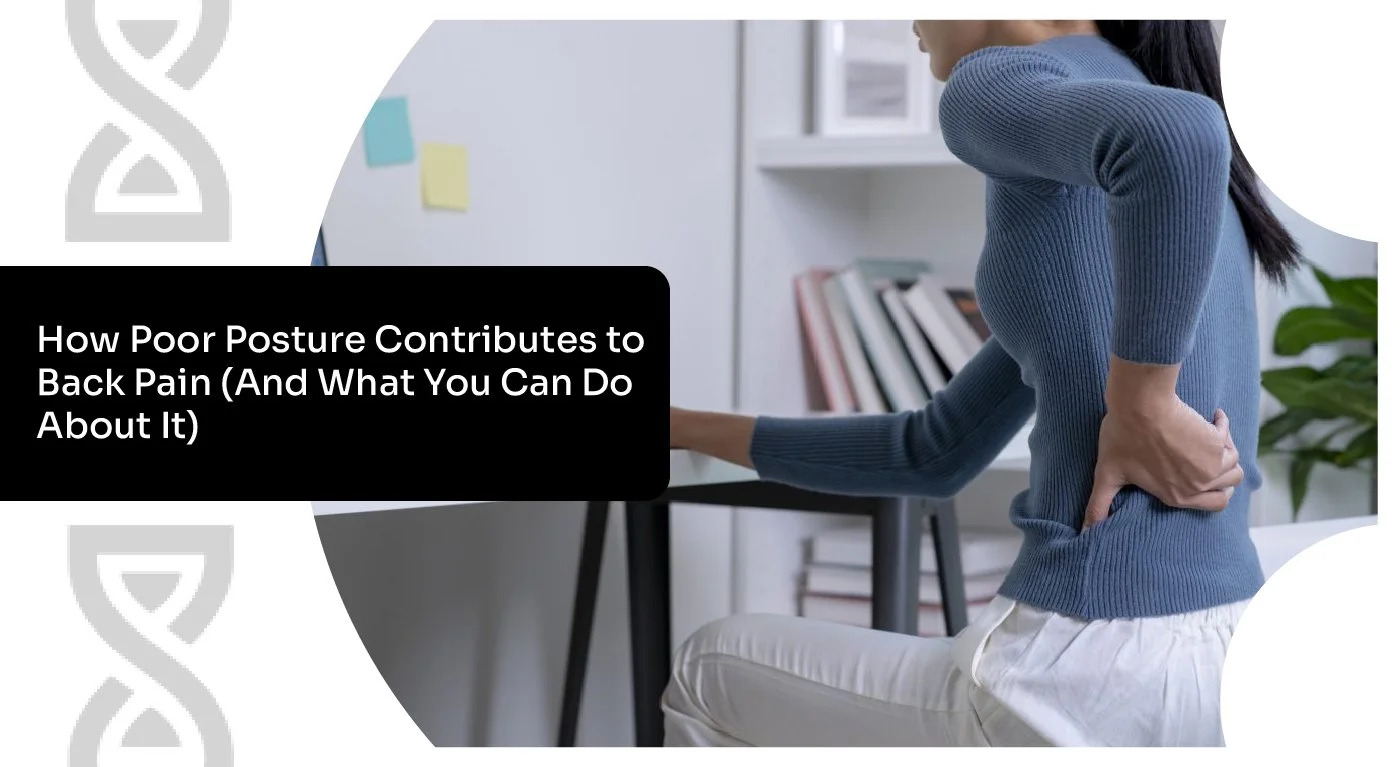
Back pain is one of the most common musculoskeletal complaints experienced by Australians. While injuries, physical strain, and medical conditions can all contribute to discomfort, poor posture is often an overlooked factor that may place unnecessary stress on the body over time.
Many people spend hours sitting at desks, driving, working on laptops, or looking down at mobile devices. These daily habits can gradually influence how the body moves and functions. Although poor posture does not automatically cause pain, it can contribute to muscle imbalances, reduced mobility, increased tension, and movement patterns that place additional demands on the spine.
Understanding the relationship between posture and back pain can help individuals make informed decisions about their movement habits and long-term physical well-being.
What Is Posture?
Posture refers to the position and alignment of the body when sitting, standing, walking, or performing daily activities.
Good posture is often misunderstood as simply "sitting up straight." In reality, healthy posture is about maintaining efficient alignment that allows muscles, joints, and connective tissues to work together effectively.
The body is designed to move regularly rather than remain fixed in one position. Even an ideal posture can become problematic if maintained for prolonged periods without movement.
The goal is not perfection but rather balance, mobility, and movement variety throughout the day.
How Modern Lifestyles Affect Posture
Many aspects of modern life encourage prolonged sitting and repetitive movement patterns.
Common examples include:
Working at a computer for several hours
Driving long distances
Looking down at phones and tablets
Watching television for extended periods
Limited physical activity during the day
Over time, these habits may influence how the body positions itself during both movement and rest.
Some of the most common postural adaptations include:
Rounded shoulders
Forward head position
Reduced upper back mobility
Tight hip flexors
Increased tension in the neck and shoulders
Changes in lower back positioning
While these adaptations are common, they can sometimes alter the way forces are distributed through the spine and surrounding structures.
Does Poor Posture Actually Cause Back Pain?
This is a question many people ask.
The answer is not always straightforward.
Research suggests that posture alone is rarely the sole cause of pain. Many people with less-than-perfect posture experience no discomfort, while others with relatively good posture may still develop back pain.
However, posture can contribute to physical stress when combined with other factors such as:
Muscle weakness
Reduced mobility
Repetitive movements
Previous injuries
Physical inactivity
High workload demands
In these situations, poor posture may increase the workload placed on certain muscles and joints, contributing to discomfort over time.
Why Sitting for Long Periods Can Affect the Lower Back
One of the most common contributors to postural issues is prolonged sitting.
When sitting for extended periods:
Hip flexors may become tight
Core muscles may become less active
Spinal mobility may decrease
Circulation may be reduced
Muscles can become fatigued
Many office workers notice increased stiffness or discomfort towards the end of the workday.
This does not necessarily mean sitting is harmful, but it highlights the importance of regular movement and postural variation throughout the day.
For individuals searching for Pilates for Lower Back Pain Northern Beaches, prolonged sitting is often one of the factors contributing to their symptoms.
The Connection Between Core Stability and Posture
The body relies on a network of muscles to support the spine during movement.
These include:
Deep abdominal muscles
Pelvic floor muscles
Diaphragm
Multifidus muscles along the spine
Together, these structures help provide stability and control.
When core support is reduced, the body may compensate by relying more heavily on larger muscle groups. This can contribute to inefficient movement patterns and increased physical stress.
One reason Pilates is commonly recommended for posture improvement is its emphasis on developing awareness and control of these deep stabilising muscles.
How Muscle Imbalances Can Develop
Poor posture is often associated with muscular imbalances.
For example:
A person who spends long hours sitting may develop:
Tight chest muscles
Weak upper back muscles
Tight hip flexors
Reduced glute activation
Limited spinal mobility
These changes can influence how the body moves during everyday activities.
Over time, inefficient movement patterns may place additional strain on the lower back and surrounding tissues.
Addressing these imbalances often requires more than simple stretching. A comprehensive approach that includes strength, mobility, and movement retraining is typically more effective.
Why Movement Quality Matters
Many people focus on posture only when sitting or standing.
However, movement quality is equally important.
Activities such as:
Bending
Lifting
Walking
Reaching
Exercising
All require coordination between multiple parts of the body.
When movement patterns become restricted or inefficient, certain areas may compensate by working harder than necessary.
Pilates focuses heavily on improving movement quality by helping individuals become more aware of how their bodies move and respond during different activities.
Testimonials
How Pilates May Help Improve Posture
Pilates is designed to improve strength, mobility, stability, and body awareness.
Rather than forcing the body into a specific position, Pilates encourages efficient movement patterns that support better alignment naturally.
A personalised Pilates program may help improve:
Core stability
Spinal mobility
Balance
Coordination
Postural awareness
Movement confidence
These improvements can contribute to better overall movement quality and reduced physical strain during daily activities.
This is one reason many individuals explore Pilates for Back Pain Northern Beaches as part of their broader movement and well-being strategy.
Also Read:Can Pilates Help Lower Back Pain?
The Benefits of a Clinical Approach
Not all Pilates programs are the same.
Clinical Pilates typically begins with an assessment that examines:
Movement patterns
Strength
Mobility
Injury history
Individual goals
This information helps create a tailored program that addresses the specific needs of each client.
For individuals experiencing recurring discomfort, a personalised approach is often more beneficial than a one-size-fits-all group class.
Those seeking Pilates for Spinal Rehabilitation may particularly benefit from individualised programming that progresses according to their physical capacity and goals.

Practical Tips to Improve Posture Throughout the Day
Improving posture does not require constantly reminding yourself to sit perfectly straight.
Instead, focus on creating healthy movement habits.
Some simple strategies include:
Move Regularly
Aim to stand, stretch, or walk briefly every 30–60 minutes.
Adjust Your Workstation
Ensure your screen height, chair position, and keyboard setup support comfortable alignment.
Strengthen Supporting Muscles
Exercises that target core stability and postural strength can help improve movement efficiency.
Stay Active
Regular physical activity helps maintain mobility, strength, and body awareness.
Focus on Movement Variety
The body responds well to changing positions frequently throughout the day.
Frequently Asked Questions
Can poor posture permanently damage the spine?
In most cases, poor posture does not permanently damage the spine. However, it may contribute to discomfort, stiffness, and inefficient movement patterns over time.
Is standing better than sitting?
Neither is inherently better. The key is avoiding prolonged periods in any one position and incorporating regular movement throughout the day.
Can Pilates correct poor posture?
Pilates may help improve posture by developing strength, mobility, and body awareness. Results vary depending on the individual and the consistency of practice.
How long does it take to improve posture?
Improvement depends on factors such as movement habits, strength, mobility, and consistency. Many people begin noticing greater awareness within a relatively short period.
Final Thoughts
Poor posture is rarely the sole cause of back pain, but it can contribute to physical stress, muscle imbalances, and inefficient movement patterns that affect long-term spinal health.
The good news is that posture is not fixed. By improving movement awareness, building strength, increasing mobility, and developing healthier daily habits, many people can improve how their bodies move and feel.
At Arena Clinical Pilates North Curl Curl, we take an individualised approach to movement and rehabilitation. Through personalised sessions, we help clients improve posture, build confidence, and support long-term spinal health.
If you are looking for support through Pilates for Lower Back Pain Northern Beaches or Pilates for Back Pain Northern Beaches, our tailored programs are designed to help you move more comfortably and confidently.