
Postnatal Core Recovery: How to Rebuild Strength After Pregnancy
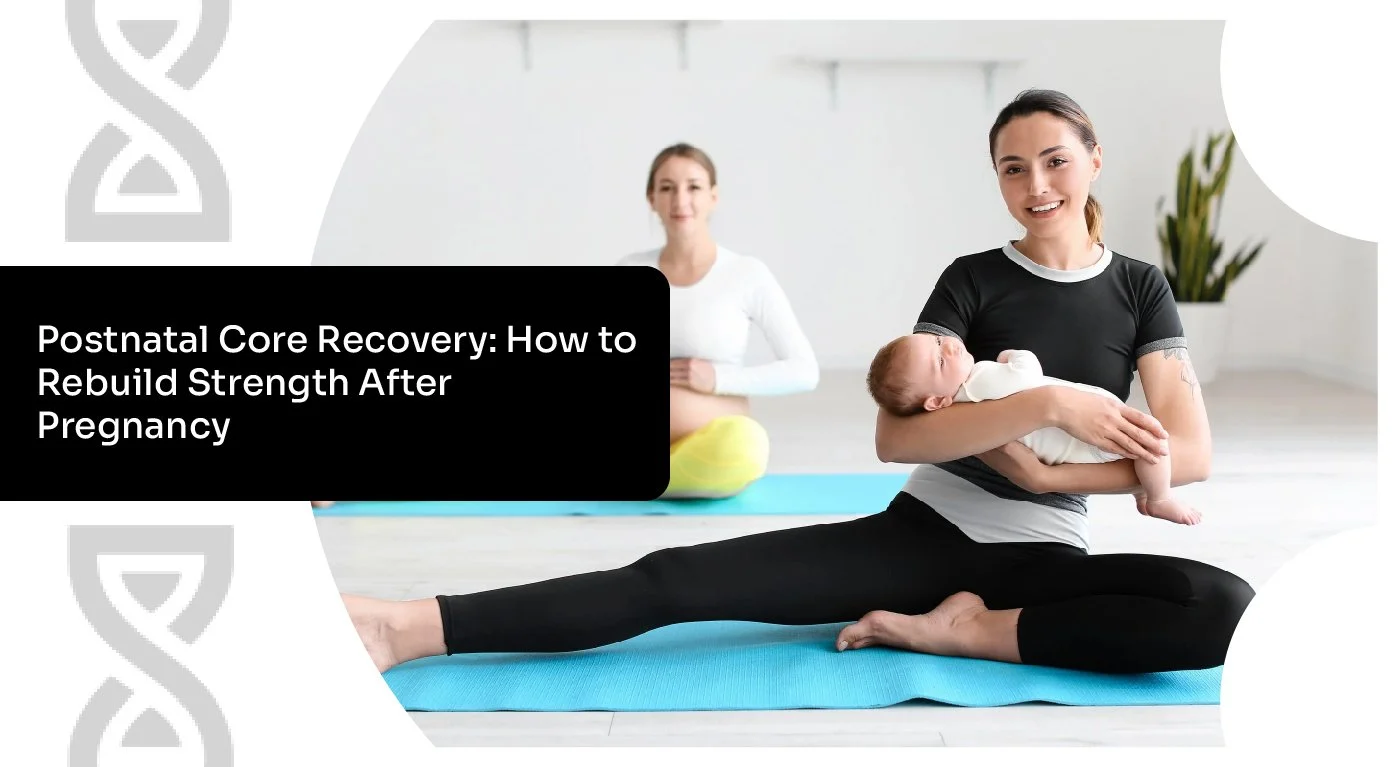
Pregnancy and childbirth can change the way the body feels and moves. Muscles and connective tissues adapt during pregnancy, posture changes as the baby grows, and the demands of labour and caring for a newborn can place additional physical stress on the body.
For many women, rebuilding strength after pregnancy is not simply about returning to previous exercise. It is about gradually restoring control, coordination, mobility and confidence.
The abdominal muscles and pelvic floor are particularly important, but postnatal recovery involves the whole body. The hips, spine, shoulders and breathing patterns can all influence how movement feels after having a baby.
A carefully progressed programme of Postnatal Recovery Pilates can provide a structured way to rebuild physical capacity while taking individual recovery needs into account.
What Happens to the Core During Pregnancy?
The term "core" is often used to describe the abdominal muscles, but the body's central support system is more complex.
The trunk involves several structures working together, including the abdominal wall, back muscles, diaphragm and pelvic floor.
During pregnancy, the abdominal wall stretches as the uterus grows. The body's centre of gravity also changes, which can influence posture and movement.
These changes are normal. However, the body needs time to adapt again after birth.
Rather than immediately attempting intense abdominal exercises, postnatal recovery should focus on gradually restoring coordination between the muscles that contribute to trunk and pelvic stability.
Why Core Recovery Should Be Gradual
It can be tempting to return to familiar exercises as soon as you feel physically able.
However, the amount of exercise your body tolerated before pregnancy may not be appropriate immediately after birth.
A gradual approach allows you to assess how your body responds as activity increases.
Early movement may focus on breathing, gentle mobility and basic control. Later stages can introduce more challenging strengthening exercises as appropriate.
The aim is not to avoid effort. It is to introduce effort at the right stage.
The Pelvic Floor and Core Work Together
The pelvic floor is an important component of the body's central support system.
These muscles help support the pelvic organs and contribute to bladder and bowel control. They also work with the diaphragm and abdominal muscles during movement and changes in pressure.
Pregnancy and childbirth can affect pelvic floor function, although every woman's experience is different.
Some women may notice:
Urinary leakage
A feeling of heaviness
Difficulty controlling the bladder or bowel
Pelvic discomfort
Changes in pelvic floor awareness
These symptoms should not simply be accepted as an unavoidable part of motherhood.
A women's health physiotherapist or appropriate healthcare professional can assess pelvic floor concerns and provide specific guidance.
Pilates may complement this care, but it should not replace a pelvic health assessment when symptoms are present.
What About Abdominal Separation?
Diastasis recti, sometimes called abdominal separation, refers to increased separation between the two sides of the rectus abdominis muscle along the linea alba.
Changes to the abdominal wall are common during pregnancy.
However, the appearance of the abdomen alone does not tell you how well the core is functioning.
A more useful consideration is how the abdominal wall responds during movement and whether there are associated symptoms or functional limitations.
Postnatal exercise should therefore focus on restoring coordinated movement rather than chasing a particular visual appearance.
If you have concerns about abdominal separation, a qualified healthcare professional can provide an appropriate assessment.
Rebuilding Strength Beyond the Abdominals
Postnatal strength recovery should not focus exclusively on the stomach.
Pregnancy, birth and early parenthood can affect the whole body.
The hips and legs may require progressive strengthening after reduced activity. The upper back and shoulders may also become tired from feeding, carrying and repeatedly lifting a baby.
A balanced programme can therefore include:
Lower-body strength
Hip stability
Upper-back strength
Shoulder control
Spinal mobility
Core coordination
Balance
Functional movement
This whole-body approach is particularly useful because parenting itself is physically demanding.
Everyday Parenting Is Exercise Too
Caring for a baby involves many repeated movements.
You may spend significant amounts of time:
Carrying your baby
Lifting from the floor
Getting up from a chair
Feeding
Pushing a pram
Bending over a cot
Carrying equipment
These activities can place considerable demand on the back, shoulders, hips and arms.
Improving general strength and movement control can make these everyday tasks easier to manage.
It can also help you develop better movement habits rather than repeatedly relying on the same muscles or positions.
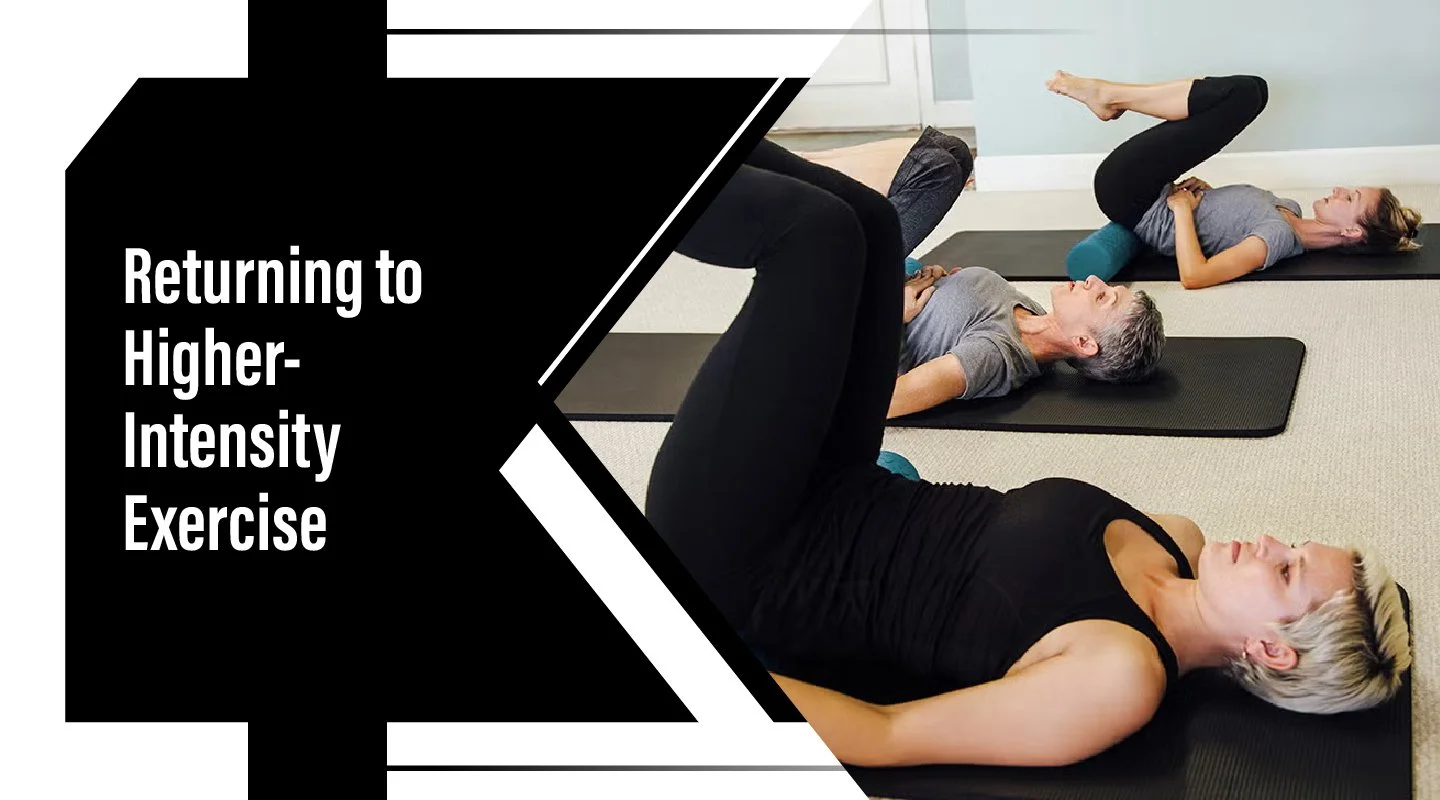
Returning to Higher-Intensity Exercise
The return to running, jumping, heavy resistance training or other high-impact exercise should be gradual.
The appropriate timing depends on individual recovery, birth experience, symptoms and professional guidance.
Before progressing to higher-impact activities, it is useful to consider whether you can comfortably manage lower-level movements first.
For example, a return-to-running programme may eventually require sufficient lower-limb strength, balance, pelvic floor function and tolerance to impact.
The goal is to build capacity progressively rather than treating a particular number of weeks or months as an automatic clearance for intense exercise.
Testimonials
How Personalised Pilates Can Help
A personalised Pilates session allows exercises to be selected around the individual rather than requiring everyone to perform the same movements.
A programme may begin with relatively simple exercises and gradually progress towards more demanding movements.
Depending on the person's needs, sessions may address:
Core control
Posture
Hip strength
Spinal mobility
Shoulder stability
Balance
Functional strength
Movement confidence
This makes Postnatal Pilates Northern Beaches relevant not only to women who want to return to fitness, but also to those who simply want to feel stronger and more comfortable during everyday life.
When Should You Speak to a Healthcare Professional?
Postnatal exercise should be approached with additional care if you are experiencing ongoing symptoms.
Seek appropriate professional advice if you have:
Persistent pelvic or abdominal pain
Urinary or bowel leakage
A sensation of pelvic heaviness
Significant abdominal discomfort
Unusual bleeding
A wound or surgical concern
Dizziness or unusual shortness of breath
Symptoms that worsen with exercise
For pelvic floor concerns in particular, a women's health physiotherapist can provide an assessment and targeted treatment plan.
Exercise Should Support Recovery, Not Compete With It
The postnatal period can be physically and mentally demanding.
Sleep may be disrupted, daily routines change and finding time for yourself can be difficult. A realistic exercise programme should take these circumstances into account.
There is no need to make every session intense.
Consistent, appropriately challenging movement can be more useful than occasional high-intensity workouts that leave you exhausted.
The best programme is one that can fit into your current life while gradually rebuilding physical capacity.
Frequently Asked Questions
How soon can I start rebuilding core strength after giving birth?
The appropriate timing varies depending on your birth, recovery and individual circumstances. Follow advice from your healthcare provider and progress gradually rather than using a fixed timeline.
Is Pilates safe after a caesarean birth?
Pilates may form part of postnatal exercise after appropriate recovery and medical clearance, but exercises need to be selected according to healing and individual circumstances.
Can Pilates fix abdominal separation?
Exercise can help improve abdominal wall function and overall strength, but there is no single exercise that "fixes" diastasis recti. Assessment and individualised guidance are more appropriate than generic programmes.
When can I return to running?
The timing varies considerably. A gradual return should consider strength, pelvic floor function, symptoms, movement control and tolerance to impact, ideally with appropriate professional guidance.
Do I need previous Pilates experience?
No. A personalised programme can be adapted to your experience, current strength and stage of postnatal recovery.
Building Strength With Patience and Purpose
Postnatal recovery is not about trying to return to the exact body or fitness level you had before pregnancy as quickly as possible. It is about understanding what your body needs now and gradually rebuilding the capacity to move, exercise and manage everyday life.
Core control, pelvic floor function, hip strength, spinal mobility and upper-body strength all contribute to this process.
At Arena Clinical Pilates North Curl Curl, personalised sessions can be adapted to the needs of women at different stages of pregnancy and postnatal recovery. If you're considering Postnatal Pilates Northern Beaches or Clinical Pilates Northern Beaches, an individualised approach can help ensure exercise progresses according to your needs rather than following a generic routine.