
When Can You Safely Return to Exercise After Having a Baby?
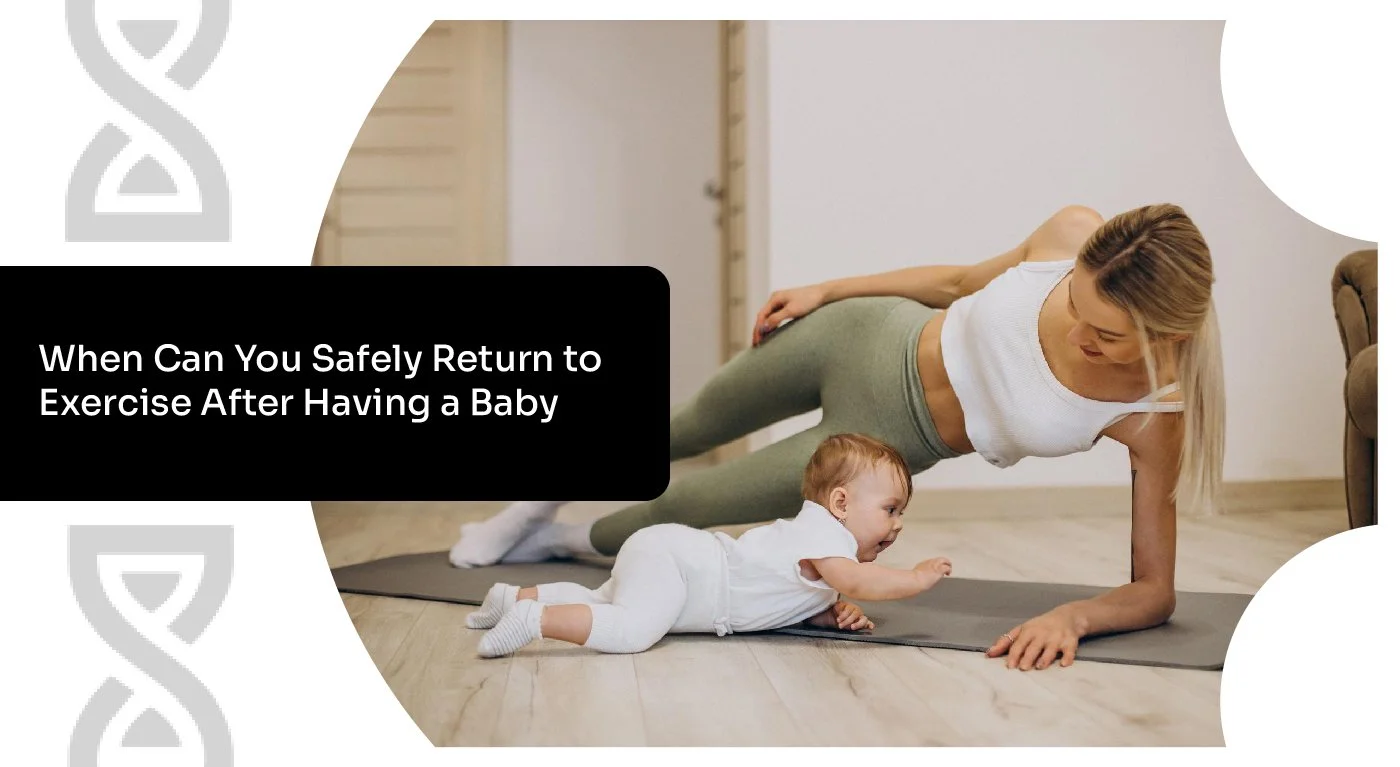
Welcoming a new baby is an exciting and life-changing experience, but it also places significant physical demands on the body. Pregnancy, labour, and the postnatal period all affect muscles, joints, posture, and overall movement. While many new mothers are eager to return to exercise, knowing when and how to do so safely is essential.
Recovery looks different for everyone. Some women feel ready to move within a few weeks, while others need more time depending on their pregnancy, birth experience, and overall health. Rather than rushing back into exercise, the focus should be on rebuilding strength gradually and supporting the body's natural recovery.
A personalised movement programme such as Postnatal Pilates Northern Beaches can help women regain confidence, improve strength, and safely return to everyday activities at a pace that suits their individual needs.
Every Postnatal Recovery Is Different
There is no universal timeline for returning to exercise after giving birth.
Recovery depends on many factors, including:
Whether the birth was vaginal or by caesarean section
Pelvic floor recovery
Abdominal muscle healing
Overall fitness before pregnancy
Sleep and energy levels
Any pregnancy or birth-related complications
For this reason, comparing your recovery to someone else's is rarely helpful.
Listening to your body and following advice from your healthcare provider is the safest approach.
Why It's Important Not to Rush Recovery
It's understandable to want to regain fitness quickly, particularly after months of physical changes during pregnancy.
However, returning to high-impact exercise too soon may place unnecessary stress on muscles and connective tissues that are still healing.
Giving your body time to recover allows:
Muscles to regain strength
Pelvic floor function to improve
Abdominal tissues to heal
Joints to regain stability
Energy levels to gradually return
Recovery is about rebuilding a strong foundation rather than simply increasing activity.
Also Read: Clinical Pilates for Athletes: Improve Performance Without Increasing Injury Risk
The Physical Changes Pregnancy Can Cause
During pregnancy, the body naturally adapts to support the growing baby.
Common changes include:
Altered posture
Reduced core strength
Pelvic floor stretching
Increased joint mobility
Changes in balance
Muscle tightness in the hips and lower back
These changes don't disappear immediately after birth.
Many women continue to experience physical adjustments well into the postnatal period, making personalised rehabilitation particularly valuable.
How Postnatal Pilates Supports Recovery
One of the biggest advantages of Postnatal Recovery Pilates is that it focuses on gradual, individual progression.
Rather than following a general fitness class, each session can be adapted to suit the mother's recovery stage, movement ability, and personal goals.
Sessions may focus on:
Restoring core stability
Improving posture
Strengthening the pelvic floor
Increasing mobility
Reducing muscular tension
Improving balance
Building confidence with movement
This individual approach helps create a safe pathway back to exercise.
Rebuilding Core Strength After Pregnancy
During pregnancy, the abdominal muscles naturally stretch to accommodate the growing baby.
After birth, rebuilding core strength should be approached gradually rather than through high-intensity abdominal exercises.
Clinical Pilates focuses on activating the deep stabilising muscles that support the spine and pelvis before progressing to more challenging movements.
Improving core control can also support better posture and more efficient movement during everyday activities such as lifting, carrying, and feeding your baby.
Looking After Your Pelvic Floor
The pelvic floor muscles play an essential role during pregnancy and childbirth.
These muscles help support the bladder, bowel, and pelvic organs while contributing to overall core stability.
Following pregnancy, many women benefit from exercises that gently encourage pelvic floor awareness and strength.
Because every woman's recovery is different, personalised guidance is often more appropriate than following generic online exercise programmes.
Also Read: Can Pilates Help Lower Back Pain?
Managing Back and Neck Discomfort
Looking after a newborn often involves:
Feeding
Carrying
Lifting
Rocking
Pushing a pram
Spending long periods in awkward positions
These repetitive activities may contribute to neck, shoulder, and lower back discomfort.
A personalised Pilates programme can help improve posture, strengthen supporting muscles, and encourage more efficient movement patterns during daily parenting tasks.
Returning to Exercise After a Caesarean Birth
Recovery following a caesarean section generally requires additional consideration.
The abdominal wall and surrounding tissues need adequate time to heal before progressing to more demanding activities.
With medical clearance, gentle movement and personalised exercise can gradually be introduced according to each woman's stage of recovery.
The emphasis should always remain on quality of movement rather than intensity.
Emotional Wellbeing Matters Too
Recovery after birth isn't only physical.
Many women experience significant emotional and lifestyle changes while adjusting to life with a newborn.
Gentle movement can provide an opportunity to reconnect with the body, improve confidence, and establish a healthy routine during this new stage of life.
The goal isn't perfection—it's supporting overall wellbeing through sustainable movement.
Why Personalised Sessions Make a Difference
Every mother has different goals.
Some want to reduce discomfort.
Others wish to return to running, swimming, strength training, or recreational sport.
A personalised assessment allows each programme to reflect:
Recovery stage
Previous fitness
Birth experience
Movement ability
Lifestyle demands
Individual goals
This makes Prenatal Pilates Northern Beaches and postnatal programmes far more effective than one-size-fits-all exercise classes.
Also Read: Clinical Pilates After Surgery: When Is It Appropriate?
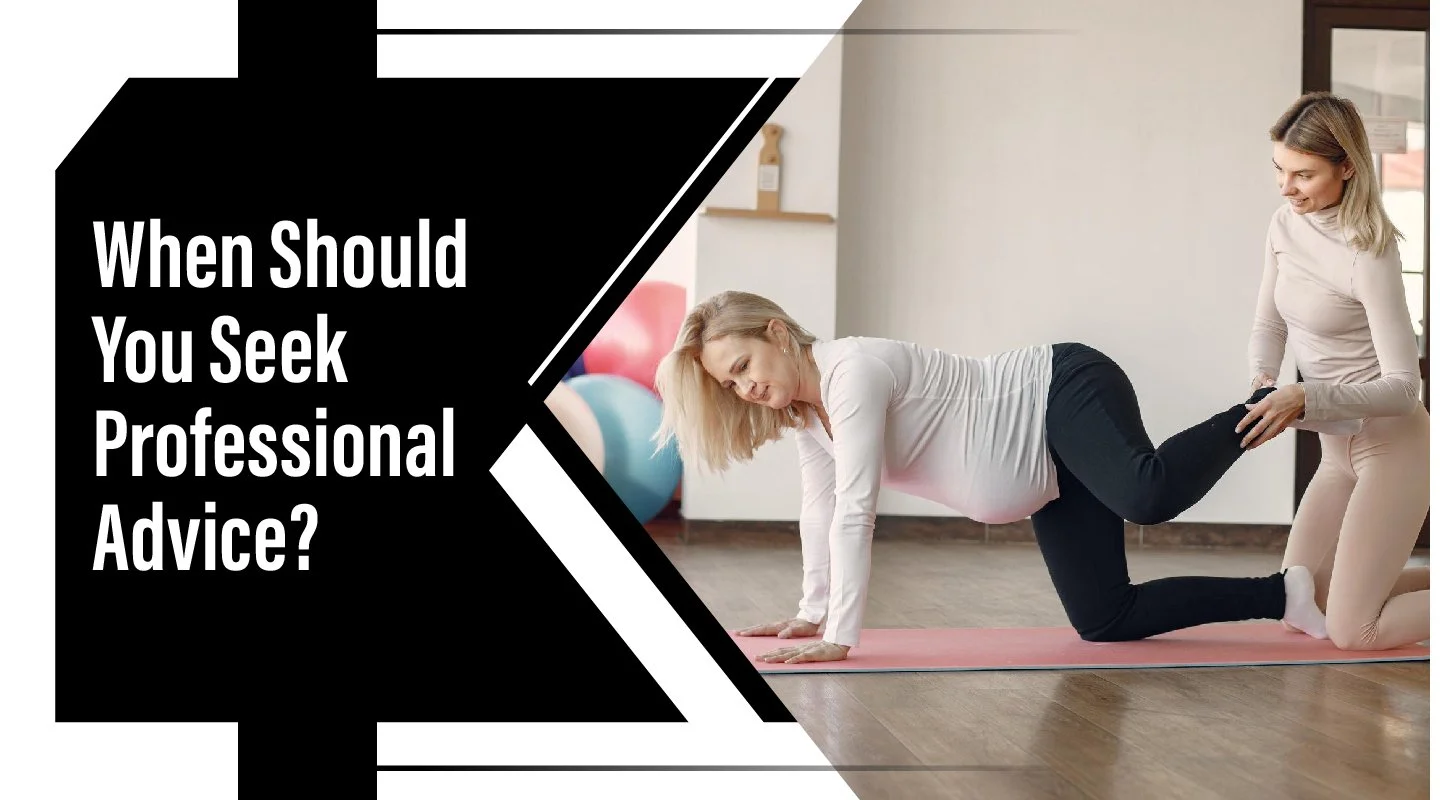
When Should You Seek Professional Advice?
Before returning to exercise, it's important to speak with your GP, obstetrician, or women's health physiotherapist if you experience:
Persistent pain
Heavy bleeding
Pelvic floor concerns
Significant abdominal separation
Dizziness during exercise
Ongoing discomfort
Professional guidance helps ensure exercise remains appropriate for your recovery.
Testimonials
Frequently Asked Questions
When can I begin exercising after having a baby?
The appropriate time varies depending on your pregnancy, birth, and overall recovery. Always follow advice from your healthcare provider before beginning exercise.
Is Clinical Pilates suitable after a caesarean birth?
Yes, once medical clearance has been provided. Programmes can be tailored to suit your stage of healing and gradually progress over time.
Can Postnatal Pilates help with back pain?
Many women find that improving posture, core strength, and movement control helps reduce the physical demands placed on the back during everyday parenting activities.
Do I need previous Pilates experience?
No. Sessions are personalised according to your current abilities and recovery goals, making them suitable for beginners as well as those with previous experience.
Conclusion
Returning to exercise after having a baby isn't about rushing back to your previous fitness level. It's about allowing your body the time and support it needs to recover, rebuild strength, and regain confidence through safe, progressive movement.
A personalised Pilates programme can play an important role in this journey by focusing on movement quality, core stability, posture, and functional strength. Every mother's recovery is unique, and the right programme should reflect those individual needs rather than following a generic approach.
At Arena Clinical Pilates North Curl Curl, we provide personalised sessions designed to support women throughout pregnancy and beyond. Whether you're exploring Postnatal Pilates Northern Beaches, Prenatal Pilates Northern Beaches, or a tailored Postnatal Recovery Pilates programme, we're here to help you return to movement with confidence and care.