
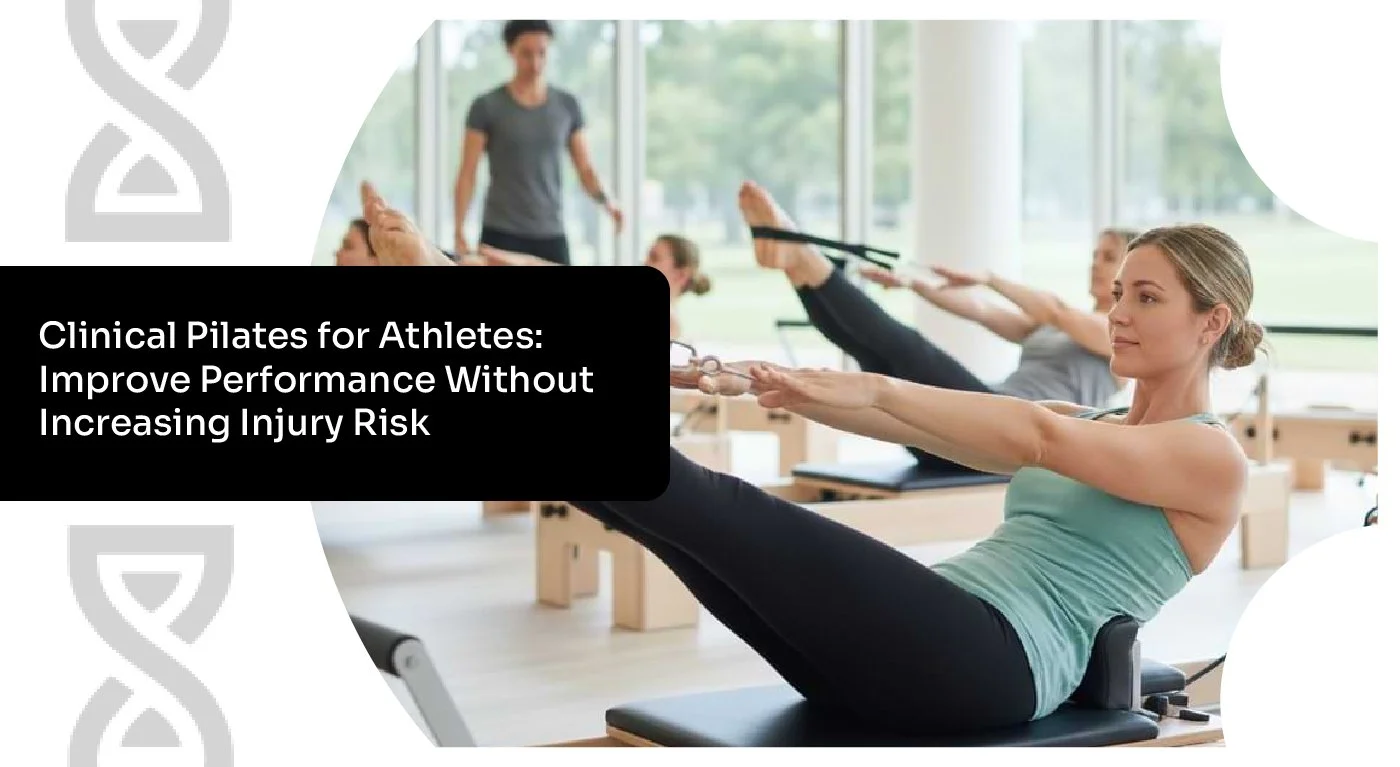
Clinical Pilates for Athletes: Improve Performance Without Increasing Injury Risk
Recovering from surgery is often a gradual process that extends well beyond the procedure itself. While surgery may address the underlying medical issue, regaining strength, mobility, balance, and confidence usually requires structured rehabilitation.
Many people are unsure when it is safe to begin exercising again. Questions such as "Should I rest?", "When can I move?", or "What type of exercise is appropriate?" are common after orthopaedic surgery.
The answer depends on several factors, including the type of procedure, individual healing, and advice from your surgeon or healthcare team. Once movement is appropriate, specialized Clinical Pilates Northern Beaches programs can become an effective part of a personalised recovery plan by helping restore function through carefully controlled exercise.
Why Rehabilitation Continues After Surgery
Although surgery may repair or correct a physical problem, the surrounding muscles, joints, and movement patterns often require additional attention.
Following surgery, it is common to experience:
Muscle weakness
Reduced joint mobility
Swelling and inflammation
Balance changes
Joint stiffness
Reduced confidence with movement
These changes can affect daily activities long after the surgical wound has healed. The goal of post-operative Rehabilitation Pilates Northern Beaches is to restore normal movement patterns while allowing the body to continue healing safely.
Also Read: Understanding Spinal Rehabilitation: How Clinical Pilates Supports Recovery
Every Recovery Journey Is Different
No two people recover in exactly the same way. In our clinic, we observe that recovery timelines vary significantly depending on key factors:
The specific type of surgery
Overall baseline health and age
Previous activity level
Existing medical conditions
Individual healing response
Rehabilitation consistency
For this reason, exercise programs should never follow a generic template. Personalised rehabilitation ensures that movement is introduced progressively and appropriately for each individual's stage of healing.
Common Procedures That May Benefit From Guided Pilates
With clearance from your treating healthcare team, structured exercise can support recovery following procedures such as:
Knee Surgery: Including ligament reconstruction, meniscus procedures, or joint replacement.
Hip Surgery: Such as hip replacement or arthroscopic procedures.
Shoulder Surgery: Including rotator cuff repair or shoulder stabilisation.
Spinal Surgery: Following procedures where structured movement has been recommended.
Foot and Ankle Surgery: Helping restore balance, gait, and lower-limb function.
It is important to remember that rehabilitation timing varies for every procedure and should always follow professional medical advice.
Also Read: Recovering From an Injury? Here's How Clinical Pilates Supports Safe Rehabilitation
Why Movement Matters During Recovery
Years ago, prolonged bed rest was commonly recommended after surgery. Today, evidence suggests that carefully guided movement plays an important role in rehabilitation once approved by your medical team.
Appropriate movement helps:
Maintain joint mobility
Improve circulation and reduce swelling
Minimize joint stiffness
Restore muscle activation
Improve balance and spatial awareness
Increase overall confidence
The emphasis is always on controlled progression rather than rushing recovery.
How Clinical Pilates Supports Post-Surgical Recovery
One of the key strengths of Clinical Pilates is that exercises are tailored to the individual rather than delivered in a standard group format. For those seeking targeted Pilates Therapy Northern Beaches, programs may focus on improving:
Core stability and deep abdominal control
Functional strength for daily tasks
Joint mobility and flexibility
Postural control
Coordination and balance
Everyday movement efficiency
Because exercises can be modified using specialized equipment (such as Reformers and Trapeze tables), Clinical Pilates provides a gradual pathway back to normal activity.
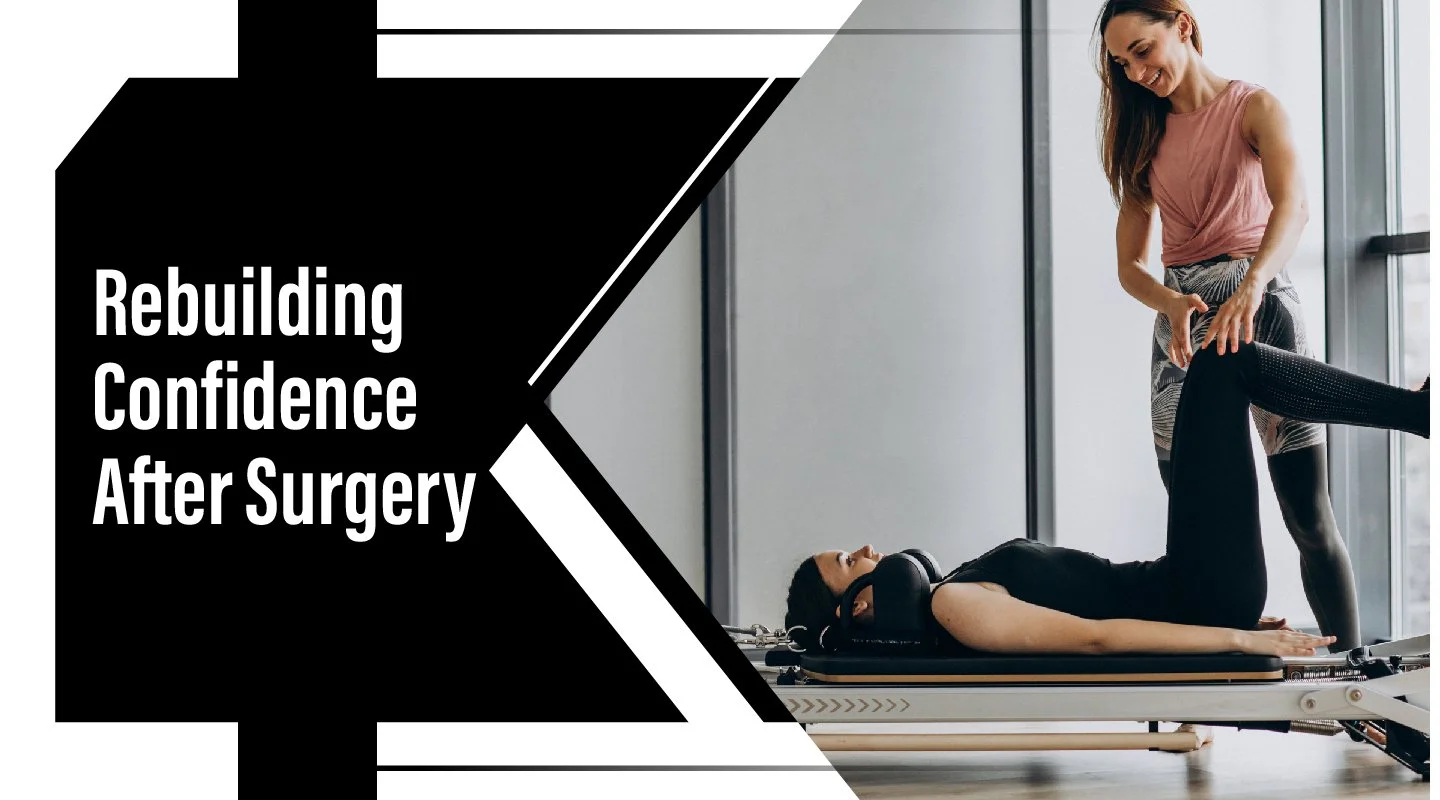
Rebuilding Confidence After Surgery
Recovery is not only physical. Many people become cautious about moving after surgery because they worry about damaging the repaired area. This fear can sometimes result in:
Reduced physical activity
Muscle deconditioning
Poor compensatory movement habits
Ongoing stiffness
A supervised Pilates for Injury Recovery Northern Beaches program provides reassurance while gradually rebuilding confidence through safe, progressive exercise guided by experienced practitioners.
Restoring Functional Strength
Everyday life requires much more than isolated muscle strength. Activities such as standing from a chair, walking upstairs, carrying groceries, getting in and out of a car, or playing with children require coordinated movement between multiple joints and muscle groups.
Clinical Pilates focuses on improving these functional movement patterns rather than simply strengthening individual muscles in isolation.
The Importance of Core Stability
The muscles surrounding the trunk provide essential support for almost every movement we perform. Following surgery, these stabilising muscles often become weaker due to pain, reduced activity, or protective movement patterns.
Clinical Pilates places considerable emphasis on improving:
Deep abdominal control
Pelvic stability
Spinal support
Breathing coordination
Movement efficiency
Improved core function helps create a stable foundation for safe, full-body movement.
Why Personalised Rehabilitation Delivers Better Outcomes
Every rehabilitation program should reflect the individual's current abilities and goals. A personalised assessment allows the practitioner to consider your medical history, surgical procedure, current mobility, strength, balance, pain levels, and functional limitations.
Exercises are adjusted continually as recovery progresses, ensuring your rehabilitation remains both safe and appropriately challenging.
Returning to Everyday Activities
Many people measure recovery by whether they can return to the activities they enjoy most, such as:
Walking comfortably without pain
Returning to work or sports
Gardening and outdoor hobbies
Travelling and active lifestyle
Caring for family members
Targeted movement therapy helps improve movement quality so that these activities become easier and more comfortable over time.
Also Read: Can Pilates Help Lower Back Pain?
Testimonials
Supporting Recovery Between High-Intensity Sessions
High-volume athletic training creates physical stress on muscles and connective tissues. True adaptation and performance gains occur during the recovery phase.
Clinical Pilates supports active recovery by promoting low-impact, controlled movement, enhancing lymphatic circulation, restoring joint mobility, and releasing muscular tension without placing heavy loads on fatigued muscles.
Sports Injury Recovery & Return to Sport
Returning to sport after an injury requires more than just waiting for pain to subside. Athletes must rebuild multi-planar strength, joint balance, and movement confidence.
Integrating Pilates for Sports Injury Recovery alongside your physiotherapist or medical provider's guidance ensures a structured transition back to full training. The emphasis is on restoring optimal mechanics so you return to performance stronger and more resilient than before.
Frequently Asked Questions
Is Clinical Pilates only for injured athletes? No. While Clinical Pilates is exceptional for rehabilitation, many athletes use it proactively for athletic conditioning, balance refinement, and injury prevention before problems occur.
Will Clinical Pilates replace my existing strength and conditioning? No. Clinical Pilates is designed to complement your sport-specific training and heavy lifting by improving movement efficiency, joint stability, and mobility.
How often should an athlete do Clinical Pilates? Most athletes benefit from 1 to 2 sessions per week alongside their regular sports training schedule to maintain optimal movement quality and recovery.
Can beginners or recreational athletes participate? Yes. Every session begins with an initial 1-on-1 consultation and is tailored specifically to your current fitness level, sport, and physical requirements.
Final Thoughts
Peak athletic performance is rarely built on brute strength alone. The ability to move efficiently, stabilize joints under dynamic load, and recover effectively determines long-term athletic longevity.
At Arena Clinical Pilates North Curl Curl, our individualized approach supports athletes and active individuals at every stage of their training journey. Whether you are looking for dedicated Sports Conditioning Pilates Northern Beaches, tailored Pilates for Athletes, or expert guidance for Pilates for Sports Injury Recovery, our experienced team is dedicated to helping you move with greater strength, power, and control.
Contact our North Curl Curl studio today to book your initial clinical assessment.